

Summary
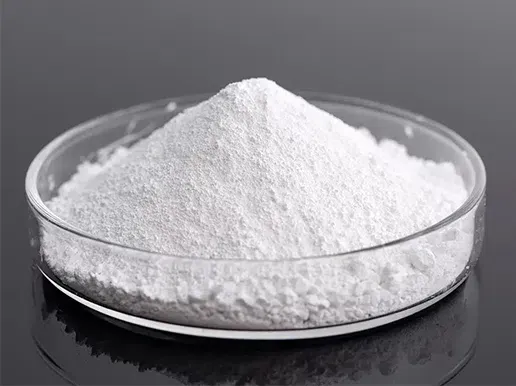
Titanium Dioxide (TiO₂), an extensively applied inorganic white pigment boasting exceptional hiding power, weather resistance and chemical stability, is experiencing vigorous global market growth. The 2026 market scale is anticipated to reach $23.0–23.4 billion. Fueled by increasing demand from the architectural coatings, plastics, papermaking and new energy industries, the market presents a differentiated growth pattern: new-energy-grade and electronic-grade TiO₂ lead the way with an 18% CAGR, while high-end coating-grade products expand at an annual rate of 7.5%. Key trends include large-scale capacity expansion in China, breakthroughs in chlorination process technology, and increasingly strict environmental regulations across major economies. Regionally, Asia-Pacific dominates both production and consumption, while North America and Europe focus on developing high-value-added premium products.
1. Global Market Scale & Growth Momentum
The global titanium dioxide market keeps a steady growth momentum. Total production capacity in 2025 hit 9.1 million tons, with 2026 capacity expected to grow to 9.8 million tons per year. Demand is increasing faster than supply: the annual demand growth rate of 5.2% outpaces the 3.9% supply growth, pushing capacity utilization up from 83.5% in 2024 to 86.1% in 2025.
China contributes more than 50% of global production, acting as the primary growth driver. Its market size is projected to rise from $9.2 billion in 2023 to over $11.0 billion in 2026, representing a 6.8% CAGR. Market price fluctuations are expected to narrow to 3–5%, supported by stable raw material supply and enhanced production efficiency.
2. Expansion of Core Application Segments
Coating-Grade TiO₂
Accounting for the biggest market share of 56–58%, this segment is fueled by architectural coatings, automotive refinish coatings and industrial protective coatings. Infrastructure investment and the recovery of the automotive industry drive consistent growth, with the segment expected to reach $13.2 billion by 2026. Asia-Pacific leads consumption at 48%, followed by North America (21%) and Europe (19%).
Plastic-Grade TiO₂
Comprising 22% of the 2025 market and growing at 6.3% annually, this segment’s demand is driven by durable consumer goods, lightweight automotive parts and packaging materials. Its penetration rate in modified plastics increased from 26% in 2022 to 31% in 2025, with 2026 sales projected to hit $5.1 billion.
High-End Special Applications
New-energy-grade, electronic-grade and food-and-medical-grade TiO₂ are fast-growing high-end areas, accounting for 21% of premium demand and driving a 13% annual increase in R&D investment. TiO₂ is widely utilized in photovoltaic backsheets, lithium-ion battery electrode additives and photocatalytic environmental materials, emerging as a key functional material in the new energy supply chain.
3. Technological Advancements & Capacity Optimization
Manufacturing efficiency has been significantly enhanced: the unit investment cost for new 100,000-ton TiO₂ plants has dropped by 32% over five years, falling to $1,380 per ton. Innovation in the chlorination process is a key impetus—high-purity chlorinated TiO₂ accelerates the development of high-end products, with new application patents growing at 16% annually (2020–2025), 63% of which focus on high-end R&D.
Global industry leaders are prioritizing capacity upgrades, with 57% of capital expenditure allocated to high-end special-grade TiO₂ production lines, 29% dedicated to intelligent production automation and energy conservation, and 14% invested in green manufacturing and recycling technology R&D.
The widespread adoption of closed-loop recycling and low-emission production technologies has further reduced energy consumption and pollutant discharge.
4. Regional Market Dynamics
•Asia-Pacific: The world’s primary production and consumption center, boasting a complete industrial chain and cost competitiveness. Emerging markets in Southeast Asia are driving regional export growth of over 11% annually.
•North America: Focused on high-value automotive, electronic and food-grade TiO₂, supported by strict quality standards and mature high-end manufacturing capabilities.
•Europe: Prioritizes low-carbon and eco-friendly TiO₂; recycled and high-durability grades account for 23% of regional consumption, with strict restrictions on heavy-metal residues.
•China: The world’s largest TiO₂ producer, though mid-to-low-end sulfate-process products remain dominant; high-end chlorinated-process capacity is expanding rapidly, with strong export growth maintained.
5. Regulatory Landscape & Future Outlook
Regulatory changes are promoting the green and high-end upgrading of the market:
•The U.S. EPA has strengthened greenhouse gas emission reporting and pollutant control requirements for TiO₂ production.
•EU REACH and environmental directives restrict harmful impurities and mandate compliance with eco-label standards.
•China is promoting the upgrading of chlorination processes and the development of high-purity special-grade products to advance the optimization of the industrial structure.
TiO₂ features good environmental compatibility and recyclability, supporting its application in green coatings and sustainable manufacturing.
Future growth will rely on three key pillars:
1.Meeting increasingly strict global environmental and emission-reduction standards
2.Expanding applications in the new energy, electronics and high-end manufacturing sectors
3.Leveraging technological innovation to improve product purity and added value


