

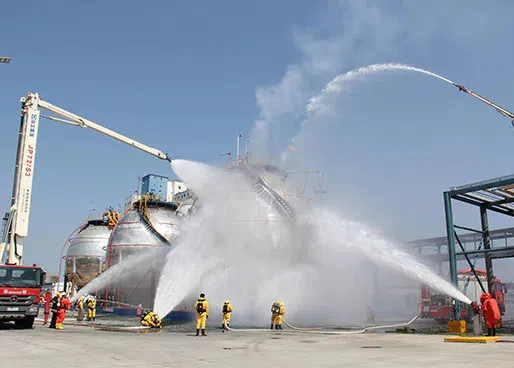
Hazardous Chemicals Emergency Response: All-Round Solutions Backed by a Complete Range of Chemical Raw Materials
Hazardous chemicals are extensively utilized in industrial manufacturing, transportation, and warehousing. Without proper management, they present substantial hazards such as leaks, combustion, detonation, and toxic exposure. In the event of an emergency, a swift, science-based, and precise response is vital to reducing casualties, property loss, and environmental contamination. We deliver comprehensive end-to-end solutions for hazardous chemicals emergency response, utilizing our capability to provide nearly all categories of chemical raw materials to ensure each stage of the emergency handling process is supported by high-quality, appropriate supplies.
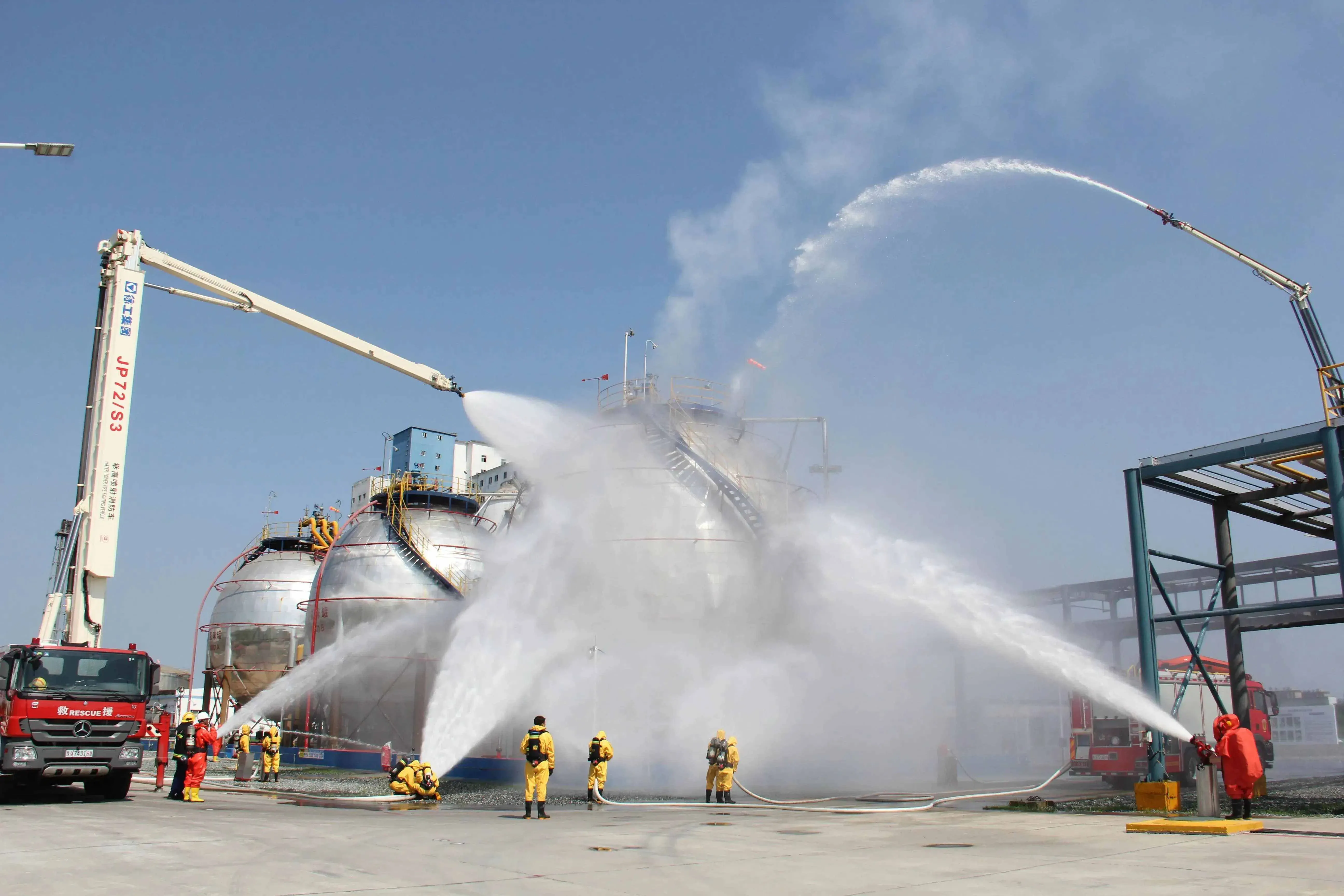
1. Common Hazardous Chemicals Emergency Scenarios and Key Challenges
Emergencies involving hazardous chemicals encompass a wide array of situations, including but not limited to chemical leaks (in liquid, gas, or solid form), fires sparked by flammable chemicals, explosions induced by reactive substances, and toxic pollution. Each scenario brings unique difficulties that require specific chemical raw materials for successful resolution:
•Chemical Leaks: Leaks of different natures (acids, alkalis, solvents, oxidants) call for targeted neutralizing agents, absorbents, or sealing materials to halt further spread. Choosing the wrong materials can worsen the danger, resulting in secondary pollution or harmful chemical reactions.
•Chemical Fires: Flammable chemicals (including hydrocarbons, alcohols, and esters) demand fire-extinguishing agents compatible with their chemical characteristics, which prevents reactions that could escalate the fire or release toxic fumes.
•Toxic Contamination: Toxic chemicals (such as chlorine, fuming sulfuric acid, and aniline) require adsorbents, detoxifiers, or neutralizers to lower their toxicity and safeguard human health and the environment.
•Post-Emergency Restoration: After the initial emergency is contained, residual chemicals in the environment (soil, water, air) need purification materials to return the affected area to a safe condition, in line with environmental regulations.
The primary challenge in responding to hazardous chemicals emergencies lies in the varied chemical properties of the substances involved and the urgency of the situation. A shortage of suitable chemical raw materials can delay handling, heighten risks, and fail to meet regulatory obligations.
2. Our All-Encompassing Emergency Response Solutions
Leveraging our ability to supply nearly all types of chemical raw materials, we have developed a systematic emergency response framework that covers pre-emergency preparedness, emergency handling, and post-emergency restoration. This ensures a full-cycle, targeted approach to addressing all types of hazardous chemicals emergencies.
2.1 Pre-Emergency Preparedness: Material Stockpiling and Risk Mitigation
Preparedness is the most critical line of defense against hazardous chemicals emergencies. We offer personalized material stockpiling plans for businesses, industrial zones, and emergency response teams, based on the types of hazardous chemicals they handle and potential risks. Our product lineup includes:
•Neutralizing Agents: Sodium bicarbonate, calcium carbonate, citric acid, acetic acid, and sodium thiosulfate, ideal for neutralizing leaks of acids, alkalis, oxidants, and other hazardous substances.
•Absorbents: Activated carbon, specialized spill control media, and inert absorbent materials (such as spill mats and silica sand), designed to soak up liquid leaks and vapor pollutants.
•Fire-Suppression Materials: Dry powder, foam, and inert gases, compatible with flammable, explosive, and toxic chemicals to ensure safe and efficient fire extinguishment.
•Protective Additives: Corrosion-resistant coatings, sealing compounds, and detoxification agents, used to protect equipment and limit the spread of hazards.
We also provide professional advice on material storage, ensuring all raw materials are stored in accordance with safety standards, with clear labeling and easy accessibility in emergency situations. This preparation reduces response time and establishes a solid basis for rapid emergency handling.
2.2 Emergency Handling: Targeted Material Provision and Technical Assistance
When a hazardous chemicals emergency arises, the prompt and accurate supply of materials is critical. Our solution focuses on matching the right chemical raw materials to the specific emergency scenario, supported by efficient supply capabilities and professional technical guidance:
•Acid/Alkali Leak Handling: For acid spills (e.g., sulfuric acid, hydrochloric acid), we provide sodium bicarbonate or calcium carbonate to safely neutralize the acid, preventing fuming and corrosion. For alkali spills (e.g., sodium hydroxide), citric acid or acetic acid is supplied to neutralize the alkali without generating excessive heat, followed by absorbent materials to clean up any residue.
•Flammable Chemical Fire Handling: For fires caused by solvents or organic chemicals, we offer specialized fire-extinguishing foam and inert absorbents to smother the fire, prevent re-ignition, and reduce toxic vapor release. For fires involving oxidants, reducing agents like sodium bisulfite are provided to inhibit the oxidation reaction and control the spread of the fire.
•Toxic Gas Leak Handling: For toxic gas leaks (e.g., chlorine), we supply gas adsorbents and neutralizing sprays to lower the concentration of toxic gases in the air, while providing sealing materials to plug the leak source. For fuming sulfuric acid leaks, we offer specialized neutralizers to convert the corrosive mist into a solid, easy-to-clean substance, preventing further contamination of the surrounding environment.
Our technical team offers real-time guidance during the emergency handling process, ensuring that chemical raw materials are used correctly, in the appropriate dosage, and in compliance with safety procedures. This maximizes the effectiveness of the handling process and minimizes risks to rescuers and the environment.
2.3 Post-Emergency Restoration: Environmental Purification and Compliance Support
Once the emergency is under control, post-restoration is essential to eliminate residual hazards and restore the environment. We supply a complete range of purification and treatment materials to address residual chemicals in soil, water, and air:
•Soil Restoration: Adsorbents and chemical stabilizers to remove or neutralize residual hazardous chemicals in the soil, preventing groundwater contamination.
•Water Treatment: Neutralizers, flocculants, and activated carbon to purify contaminated water, ensuring the treated water meets environmental discharge standards.
•Air Purification: Gas scrubbers and adsorbent materials to filter and remove residual toxic gases in the air, improving air quality in the affected area.
All our chemical raw materials adhere to international and local safety and environmental standards, ensuring that the post-restoration process complies with regulatory requirements and avoids secondary environmental pollution.
3. Key Advantages of Our Solutions
Our hazardous chemicals emergency response solutions stand out due to our comprehensive chemical raw material supply capacity and professional service capabilities, with the following key advantages:
•Comprehensive Material Coverage: We can provide nearly all types of chemical raw materials required for hazardous chemicals emergency response, eliminating the need for multiple suppliers and ensuring consistent quality and compatibility of materials.
•Customization: We tailor solutions and material stockpiling plans to meet the specific needs of customers, based on their industry, the types of hazardous chemicals they handle, and potential emergency scenarios, ensuring a targeted and effective response.
•Rapid Supply Capability: We have a well-established supply chain and inventory management system, enabling the prompt delivery of required materials in emergency situations, reducing response time and minimizing losses.
•Professional Technical Support: Our team of chemical experts provides full-cycle technical guidance, from pre-emergency preparedness to emergency handling and post-emergency restoration, ensuring the correct use of materials and compliance with safety protocols.
•Compliance Assurance: All our chemical raw materials meet relevant safety and environmental regulations, ensuring that the entire emergency response process complies with legal requirements and avoids regulatory risks.
4. Conclusion
Responding to hazardous chemicals emergencies requires a scientific, systematic, and rapid approach, and high-quality, suitable chemical raw materials are the cornerstone of effective handling. With our ability to supply nearly all chemical raw materials, we provide comprehensive, customized emergency response solutions that cover pre-emergency preparedness, emergency handling, and post-emergency restoration.
We are dedicated to supporting businesses, industrial zones, and emergency response teams in effectively addressing hazardous chemicals emergencies, minimizing risks to human life, property, and the environment, and delivering reliable material support and professional technical services for a safer industrial ecosystem.


