

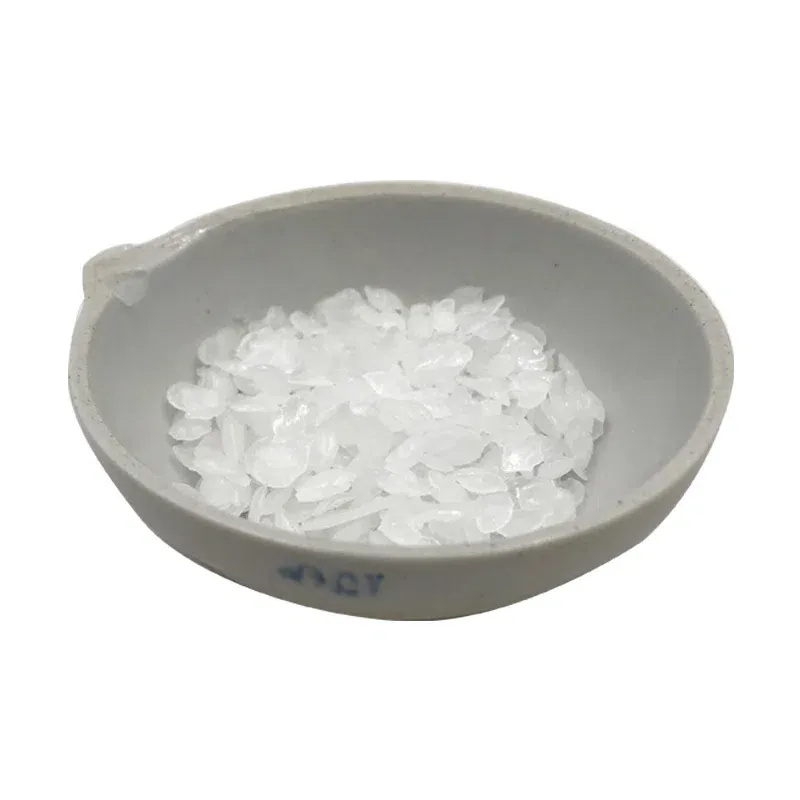
Product Details
Citric acid is a mild organic tricarboxylic acid widely distributed in nature, existing as a core intermediate metabolite during cellular respiration inside most plants and animal organisms. Its name derives from the Greek word "kedromelon", which refers to citron fruit, an oblong citrus crop of the Citrus medica shrub. Ancient Greek documents recorded terms including kitron, kitrion and kitreos to describe citron. Lemons and limes contain the highest natural citric acid content, accounting for up to 8% of the fruit’s dry weight, while oranges and pineapples also carry abundant natural citric acid.
Its molecular structure contains three independent carboxyl functional groups, which makes it categorized as a tricarboxylic acid with weak triprotic acidity. Commercially mass-produced citric acid is mainly manufactured via microbial mold fermentation of sugar raw materials, instead of direct extraction from citrus fruit pulp or pineapple processing waste liquid. It exists in two mainstream commercial crystalline forms: anhydrous citric acid and monohydrate citric acid, with distinct crystallization temperature and solubility differences.
Parameters
| Property | Value |
| Melting point | 153-159 °C (lit.) |
| Boiling point | 310 °C (decomp) |
| bulk density | 560kg/m3 |
| density | 1.67 g/cm3 at 20 °C |
| vapor density | 7.26 (vs air) |
| vapor pressure | <0.1 hPa (20 °C) |
| refractive index | 1.493~1.509 |
| FEMA | 2306 | CITRIC ACID |
| Fp | 100 °C |
| storage temp. | 2-8°C |
| solubility | Citric acid also dissolves in absolute (anhydrous) ethanol (76 parts of citric acid per 100 parts of ethanol) at 15 °C. |
| pka | 3.14(at 20℃) |
| form | grit |
| color | White |
| Odor | Odorless |
| PH | 3.24(1 mM solution);2.62(10 mM solution);2.08(100 mM solution); |
| explosive limit | 8%, 65°F |
| Odor Type | odorless |
| biological source | synthetic |
| Water Solubility | soluble in Water (1174g/L at 10°C, 1809g/L at 30°C, 3825g/L at 80°C). |
| λmax | λ: 260 nm Amax: 0.20 λ: 280 nm Amax: 0.10 |
| Sensitive | Hygroscopic |
| Merck | 14,2326 |
| JECFA Number | 218 |
| BRN | 782061 |
| Stability: | Stable. Incompatible with bases, strong oxidizing agents, reducing agents, metal nitrates. |
| InChIKey | KRKNYBCHXYNGOX-UHFFFAOYSA-N |
| LogP | -1.64 |
| CAS DataBase Reference | 77-92-9(CAS DataBase Reference) |
| NIST Chemistry Reference | 1,2,3-Propanetricarboxylic acid, 2-hydroxy-(77-92-9) |
| EPA Substance Registry System | Citric acid (77-92-9) |
Safety Information
| Item | Value |
| Hazard Codes | Xi,C,T |
| Risk Statements | 41-36/37/38-36/38-37/38-34-36-35-61-60 |
| Safety Statements | 26-39-37/39-24/25-36/37/39-45-36-53 |
| RIDADR | UN 1789 8/PG 3 |
| WGK Germany | 1 |
| RTECS | GE7350000 |
| F | 9 |
| TSCA | Yes |
| HS Code | 2918 14 00 |
| Hazardous Substances Data | 77-92-9(Hazardous Substances Data) |
| Toxicity | LD50 in mice, rats (mmol/kg): 5.0, 4.6 i.p. (Gruber, Halbeisen) |
Product Application of Citric acid CAS#77-92-9
Core Physical Indicators
- Melting Point: 153–159°C (anhydrous form, decomposes above 310°C)
- Relative Density: 1.67 g/cm³ at 20°C
- Vapor Pressure: <0.1 hPa at 20°C
- Taste: Pure tart sour flavor, no peculiar odor
- Solubility: Highly soluble in distilled water, freely soluble in ethanol and ether; insoluble in benzene, slightly soluble in chloroform
- pH Value: 2.3 for 1% aqueous solution at 25°C
Differences Between Anhydrous & Monohydrate Citric Acid
Anhydrous Citric Acid
Crystallized from hot concentrated solutions above 36.5°C; solubility reaches 146 g per 100 mL distilled water at 20°C. It is slightly hygroscopic, suitable for high-concentration formulations and dry powder production.
Monohydrate Citric Acid
Crystallized from cold solutions below 36.5°C; solubility reaches 175 g per 100 mL distilled water at 20°C. It has weaker moisture absorption performance and better storage stability in humid environments.
Functional Chemical Traits
Citric acid acts as a powerful metal chelating agent and synergistic antioxidant. It can bind free metal ions in raw materials to block catalytic oxidation reactions that cause food spoilage and product discoloration. Meanwhile, its multi-carboxyl structure enables it to form stable buffer systems with phosphate, potassium chloride and sodium hydroxide, which explains its wide application as laboratory buffer concentrate raw material.
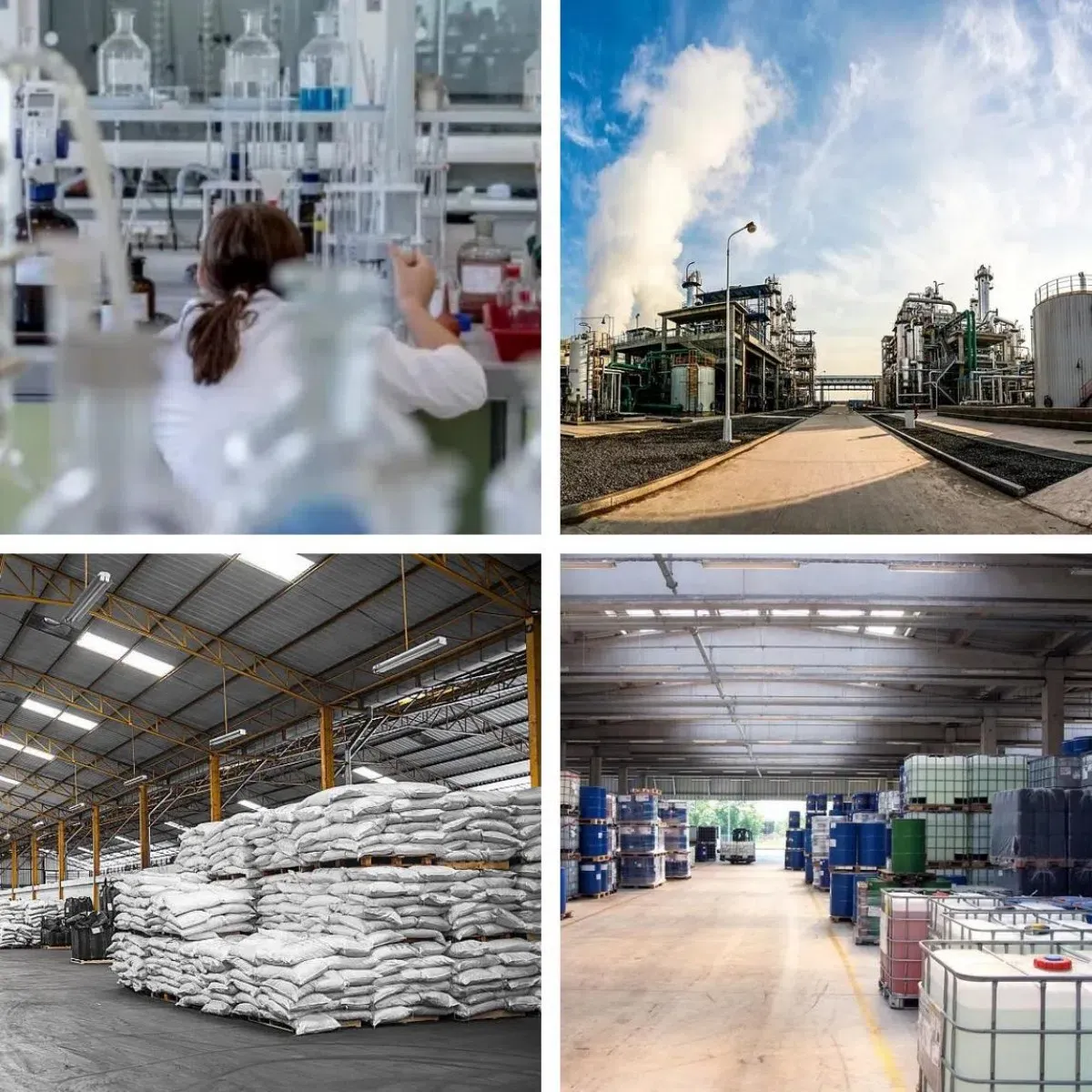
Factory and Equipment Show
Fast delivery time
Inventory 2-3 working days New production 7-10 working days
Multi-Industry Application Fields
Food & Beverage Industry
- Acidulant: Added to fruit drinks and carbonated beverages with dosage 0.25–0.40% to adjust sour flavor; applied in cheese production at 3–4% and jelly making for taste modulation and pH stabilization.
- Antioxidant synergist: Used in instant mashed potatoes, wheat chips and potato sticks to capture metal ions and extend shelf life; combined with other antioxidants for fresh frozen fruits to prevent enzymatic browning and color fading.
- Food additive auxiliary raw material: Used for effervescent tablets, baking powder and fruit jam formulations.
Daily Chemical & Cosmetic Industry
Serves as pH regulator, mild exfoliating agent and antioxidant stabilizer in facial toners, body care lotions, shampoos and mask products; improves skin texture and prolongs cosmetic shelf life.
Pharmaceutical Industry
Raw material for oral effervescent preparations, ointments and suppositories; acts as pH buffer and chelating agent in drug liquid formulations to stabilize active pharmaceutical ingredients.
Laboratory & Reagent Industry
Core raw material for multi-specification buffer concentrates, including pH 9.00 buffer, potassium chloride-sodium hydroxide mixed buffer and phosphate-sodium hydroxide mixed buffer, widely used in biochemical testing, tissue staining and laboratory calibration experiments.
Industrial Manufacturing
Applied as cleaning agent auxiliary, water treatment scale inhibitor, plastic auxiliary agent and textile dyeing pH regulator in electroplating, printing and dyeing, plastic processing and water treatment sectors.
FAQ
Q1: Can you supply both anhydrous citric acid and monohydrate citric acid? What are their applicable scenarios?
A1: Yes, we provide two mainstream industrial and food-grade citric acid crystal forms. Anhydrous citric acid fits high-concentration dry formulations, dietary supplements and cosmetic powder raw materials; monohydrate citric acid is more cost-effective for bulk beverage liquid production, powdered drink mixes and effervescent tablet manufacturing, with stronger anti-caking performance during long-distance transportation. We can recommend the matching model according to your specific production formula.
Q2: Is sample service available? What is your minimum order quantity for formal bulk orders?
A2: Free small test samples are available, clients only need to bear the international freight cost. Our standard MOQ for formal bulk shipment is 1 full container load (FCL). For trial small-batch orders before mass cooperation, we support flexible partial container supply based on stock status, and we can offer competitive unit prices for long-term repeat bulk purchasers.


