

Magnesium Stearate: The Helper for Global Medicine and Food Industries
Introduction to Magnesium Stearate
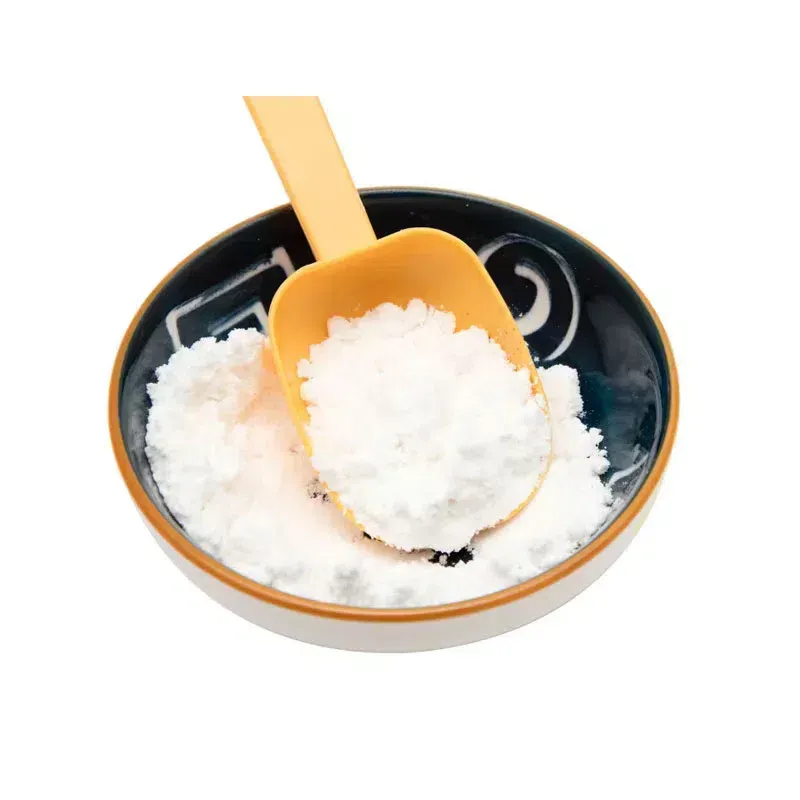
Magnesium stearate is a powder that does not dissolve in water. It is made from acid and magnesium oxide. This powder is very useful in the medicine, food and personal care industries. It helps make production easier and keeps product quality consistent. Many industries can't do without magnesium stearate. Over 68% of medicine tablets worldwide use magnesium stearate when being pressed. This helps stop ingredients from sticking to equipment.
Industry Background and Market Dynamics
Historical Evolution and Key Applications
Magnesium stearate has been used in production since the mid-1900s. As tablet manufacturing became more standardized its use increased in the medicine industry. Today magnesium stearate has three uses:
**Medicine Industry**: It is a lubricant for tablets and capsules used in amounts between 0.25% and 5.0%. It keeps tablets smooth. Stops them from sticking to machines.
**Food and Nutrition Industry**: It prevents products from clumping and keeps processed foods from going bad.
**Personal Care Industry**: It thickens creams, lotions and cosmetics so they have the texture.
The medicine industry needs the most magnesium stearate. 58.3% Of the worlds total use. The food industry is next at 22.7%.
Global Market Scale and Growth Forecasts
In 2025 the global magnesium stearate market was worth $602.27 million. It is expected to grow 5.72% every year from 2026 to 2031 reaching $840.73 million by 2031. Here is whats driving this growth:
People are spending money on healthcare and more generic drugs are being made.
The nutraceutical industry is getting bigger and more people want clean-label products. Those with no-additive ingredients.
Production technology is getting better so we can make purer magnesium stearate.
Now the Asia-Pacific region is the biggest market. That's because medicine production in China and India is growing fast. North America and Europe have demand thanks to strict industry rules.
Technical Specifications and Manufacturing Processes
If you're a buyer there are quality things to look for when buying magnesium stearate. This makes sure it meets rules and works for your needs. Medicine-grade magnesium stearate must be over 98% pure following standards like USP, EP and JP. Food-grade must be over 97% pure following the FCC standard.
Medicine-grade has 4.0% to 5.0% magnesium; food-grade has 6.8% to 8.0%.
Both can have no than 10 ppm of heavy metals.
Medicine-grade can have up to 4.0% moisture; food-grade up to 5.0%.
Production Techniques and Quality Assurance
There are two ways to make magnesium stearate:
1. **Direct Reaction Method**: Mix stearic acid (from plants or animals) with magnesium oxide in a temperature-controlled space so they react.
2. **Indirect Precipitation Method**: Mix sodium stearate with magnesium sulfate to make a precipitate. Then. Dry that precipitate to get magnesium stearate.
Now many manufacturers use plant-based acid (from palm or coconut oil) to meet vegan and clean-label needs. This trend has gone up 32% since 2020. Manufacturers also check quality strictly. They test things like particle size, heavy metal levels and microbial contamination to make sure every batch is the same.
Emerging Market Trends and Future Prospects
**Plant-Derived Raw Materials**: Over the five years demand for plant-based magnesium stearate has gone up 41%. That's because more people want vegan and eco-friendly products.
**High-Purity Products**: Medicine companies now want magnesium stearate thats over 99% with no more than 5 ppm of heavy metals. This is to meet industry rules.
**Custom Particle Sizes**: Particle sizes are made to fit needs. For example acting tablets need smaller particles that dissolve quicker.
**Environmental Initiatives**: Manufacturers are investing in carbon- production. Now 18% of global suppliers offer carbon-neutral magnesium stearate.
FAQ: Common Questions for Buyers
Q1: How does magnesium stearate impact tablet dissolution rates?
If you use much magnesium stearate it can make tablets less wet and slow down how they dissolve.. If you use it in the recommended amount (0.25% to 1.0%) it won't affect how well the medicine works much. Many current formulas mix it with water- helpers to fix this issue.
Q2: Is magnesium stearate for vegan, halal and kosher formulations?
Yes it is. If its made from oils (palm or coconut oil) and the production process meets the right certification standards. Trusted suppliers will give you documents to prove it's vegan and meets halal and kosher rules.
Q3: What packaging and storage conditions ensure product stability?
Store magnesium stearate in a 15 to 25 degrees Celsius) dry place in sealed containers to keep it from absorbing moisture. Bulk packaging is usually 15kg or 20kg bags with moisture- layers. If stored correctly it stays good for 24 to 36 months from the production date.
Magnesium stearateCAS 557-04-0 is still one of the basic helpers in global production and its market will keep growing steadily until 2031. For buyers knowing its specs, market trends and where to buy it is key, to making sure your products are good and meet industry rules. If you choose purity, plant-based magnesium stearate you can keep up with industry changes while staying efficient. As formulation technology gets magnesium stearate will keep adapting. And it will stay an essential part of medicine, food and personal care products.


