

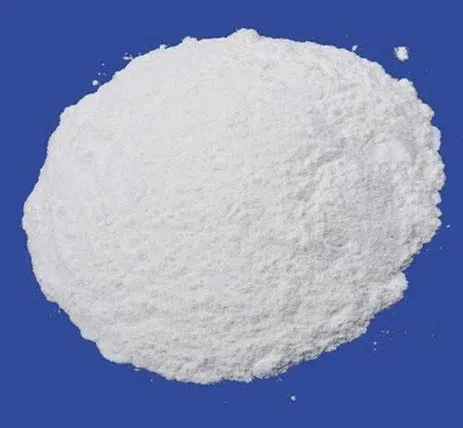
Product Details
Allantoin is an important metabolite involved in purine and uric acid metabolic pathways. In most mammals, it is produced through the oxidation of uric acid, a reaction catalyzed by urate oxidase. In human bodies, however, allantoin is formed via non-enzymatic oxidation triggered by free radicals instead of enzymatic reactions.
Relevant studies on APP/tau mutant mice show that the content of allantoin in urine increases significantly before clinical symptoms of Alzheimer’s disease appear, whereas no notable changes are detected during the early and middle phases of the disease. This property proves that urinary allantoin can be used as a potential predictive biomarker for the onset of Alzheimer’s disease.
Given that the generation of allantoin in humans is closely linked to free radical stress, increased allantoin concentration in urine also acts as a valid indicator to reflect the overall systemic oxidative stress level of the human body.
Allantoin Chemical Properties
| Property | Value |
| Melting point | 230 °C (dec.) (lit.) |
| Boiling point | 283.17°C (rough estimate) |
| density | 1.6031 (rough estimate) |
| refractive index | 1.8500 (estimate) |
| Fp | 230-234°C |
| storage temp. | 2-8°C |
| solubility | H2O: soluble 0.1g/10 mL, clear, colorless |
| pka | 8.96 (at 25℃) |
| form | Powder |
| color | White |
| Odor | odorless, tasteless |
| Water Solubility | Slightly soluble in water. Freely soluble in alkalis |
| Decomposition | 230-234 ºC |
| Merck | 14,258 |
| BRN | 102364 |
| Stability: | Stable. Incompatible with strong oxidizing agents. |
| Cosmetics Ingredients Functions | SOOTHING SKIN PROTECTING SKIN CONDITIONING |
| Cosmetic Ingredient Review (CIR) | Allantoin (97-59-6) |
| InChI | 1S/C4H6N4O3/c5-3(10)6-1-2(9)8-4(11)7-1/h1H,(H3,5,6,10)(H2,7,8,9,11) |
| InChIKey | POJWUDADGALRAB-UHFFFAOYSA-N |
| SMILES | NC(=O)NC1NC(=O)NC1=O |
| LogP | -2.26 at 20℃ |
| CAS DataBase Reference | 97-59-6(CAS DataBase Reference) |
| NIST Chemistry Reference | Urea, (2,5-dioxo-4-imidazolidinyl)-(97-59-6) |
| EPA Substance Registry System | Allantoin (97-59-6) |
Safety Information
| Item | Details |
| Hazard Codes | Xn,Xi |
| Risk Statements | 22-36/37/38 |
| Safety Statements | 22-24/25-36-26 |
| WGK Germany | 1 |
| RTECS | YT1600000 |
| TSCA | TSCA listed |
| HS Code | 29332100 |
| Storage Class | 11 - Combustible Solids |
| Hazardous Substances Data | 97-59-6(Hazardous Substances Data) |
Product Application Of Allantoin CAS#97-59-6
Allantoin is a popular plant-derived active ingredient well known for its outstanding skin repair, calming and soothing capabilities. It can form a protective film on the skin surface to protect skin from external harmful stimuli including windburn and environmental irritation.
It works as a gentle anti-irritant, and effectively promotes the growth of healthy new skin tissues to accelerate the repair of injured or weakened skin barriers. Thanks to its mild nature, allantoin is highly suitable for sensitive skin, easily irritated skin and acne-prone skin.
This raw material is mainly extracted from comfrey root. It causes little skin irritation and is generally classified as a non-allergenic component, so it can be safely incorporated into a wide range of skincare and cosmetic products.
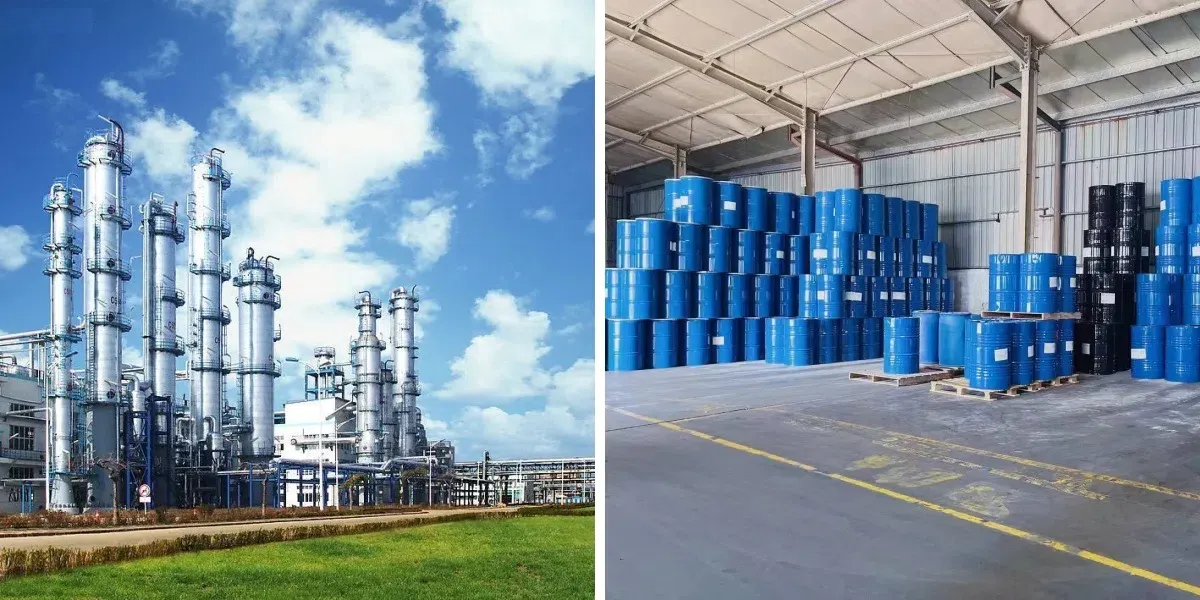
Factory and Equipment Show
Fast delivery time
Inventory 2-3 working days New production 7-10 working days


