

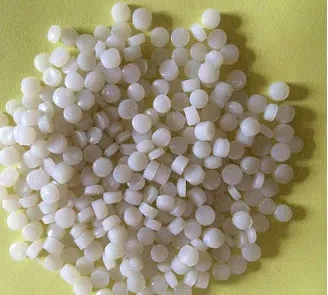
Product Details
Polyethylene is a versatile, waxy translucent polyalkene thermoplastic manufactured through multiple synthesis methods, yielding polymers with diverse properties. In the ICI process, ethylene with trace oxygen is treated at over 1500 atm and 200°C. Low‑density polyethylene (relative density 0.92) has a molecular weight of 50,000–300,000 and softens near 110°C. High‑density polyethylene (0.945–0.96) can reach 3,000,000 in weight and softens around 130°C. The low‑density grade is less crystalline and more atactic. Polyethylene serves as an electrical insulator, offers excellent acid resistance, and is readily moldable and blow‑formable.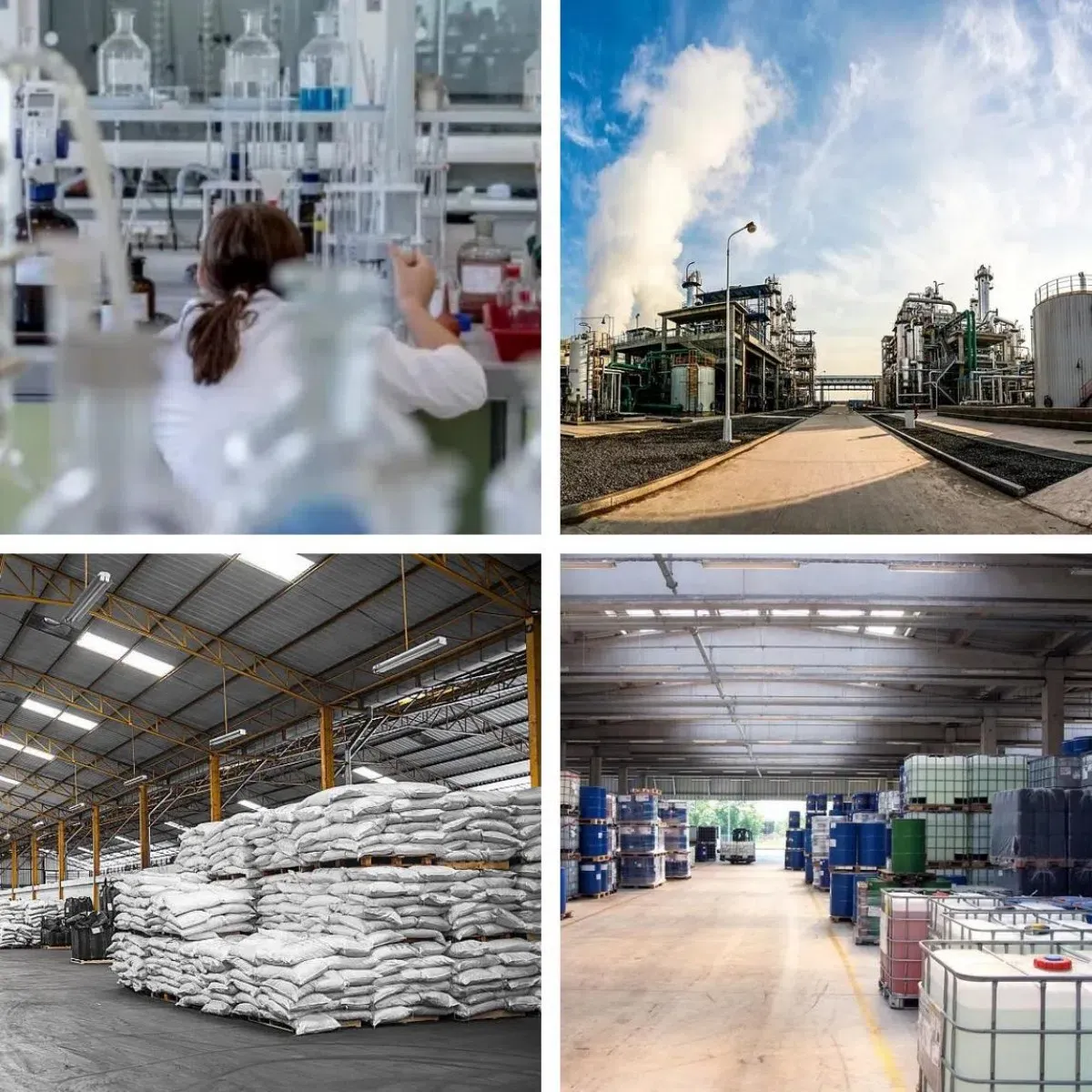
Parameters
| Item | Value |
| Melting point | 92 °C |
| Boiling point | 48-110 °C(Press: 9 Torr) |
| density | 0.962 g/mL at 25 °C |
| refractive index | 1.51 |
| Fp | 270 °C |
| storage temp. | -20°C |
| form | powder |
| color | White |
| Specific Gravity | 0.95 |
| biological source | rabbit |
| Water Solubility | Soluble in acetone and benzene. Insoluble in water. |
| Merck | 14,7567 |
| Dielectric constant | 2.2(Ambient) |
| Stability: | Stable, but breaks down slowly in uv light or sunlight. Incompatible with halogens, strong oxidizing agents, benzene, petroleum ether, aromatic and chlorinated hydrocarbons, lubricating oils. |
| Surface tension | 35.7mN/m at 20°C |
| NIST Chemistry Reference | Polyethylene(9002-88-4) |
| IARC | 3 (Vol. 19, Sup 7) 1987 |
| EPA Substance Registry System | Polyethylene (9002-88-4) |
Safety Information
| Item | Value |
| Safety Statements | 22-24/25 |
| WGK Germany | 3 |
| RTECS | TQ3325000 |
| TSCA | Yes |
| HS Code | 39041090 |
| Hazardous Substances Data | 9002-88-4(Hazardous Substances Data) |
Product Application of Polyethylene CAS#9002-88-4
Polyethylene (PE) is a thermoplastic polymer composed of long hydrocarbon chains. It is widely used in flexible film packaging made by blown‑film technology. In cosmetic formulations, PE helps adjust viscosity, improve suspension behavior, and enhance overall stability. It also appears in many specialized injection‑molded components.
Typical uses include:
- Injection and blow‑molded toys, household items and caps
- Injection‑molded automotive seats, mower components and buckets
- Thin‑walled injection‑molded containers and domestic goods
- Hot‑melt paper coatings, casting additives, candles, oil‑based inks and hot‑melt adhesives
Factory and Equipment Show
Fast delivery time
Inventory 2-3 working days New production 7-10 working days


