

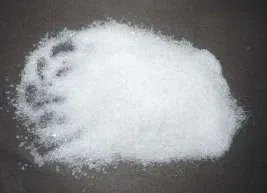
Products Description
Melting Point: 155–158 °C
Boiling Point: 250 °C (thermal decomposition occurs under normal atmospheric pressure)
Relative Density: 1.195 g/cm³ at 25 °C
Solubility: Slightly soluble in cold water; fully miscible with ethanol, methanol, acetone, toluene and most conventional organic solvents
Chemical Stability: Stable under normal room-temperature storage environments. Incompatible with concentrated strong oxidants and strong alkaline substances, which will trigger chemical reactions
Volatility: Low volatility at room temperature
Chemical Properties
| Item | Value |
| Melting point | 158-159 °C(lit.) |
| Boiling point | 220 °C at 4 mm Hg(lit.) |
| bulk density | 600 kg/m3 |
| density | 1.195 |
| vapor pressure | <1 Pa (25 °C) |
| refractive index | 1.5542 (estimate) |
| Fp | 227 °C |
| storage temp. | Store below +30°C. |
| solubility | 0.12 g/L insoluble |
| form | Liquid |
| pka | 10.29±0.10(Predicted) |
| color | Clear light yellow to light orange |
| Odor | Phenol like |
| Water Solubility | <0.1 g/100 mL at 21.5 ºC |
| Merck | 14,1297 |
| BRN | 1107700 |
| Dielectric constant | 5.0(20℃) |
| Cosmetics Ingredients Functions | NOT REPORTED |
| InChIKey | IISBACLAFKSPIT-UHFFFAOYSA-N |
| LogP | 3.4 at 21.5℃ |
| CAS DataBase Reference | 80-05-7(CAS DataBase Reference) |
| NIST Chemistry Reference | Phenol, 4,4'-(1-methylethylidene)bis-(80-05-7) |
| EPA Substance Registry System | 4,4'-Isopropylidenediphenol (80-05-7) |
Safety Information
| Item | Value |
| Hazard Codes | Xn |
| Risk Statements | 37-41-43-62-52 |
| Safety Statements | 26-36/37/39-45-46-39-36/37-61 |
| RIDADR | UN 3077 9 / PGIII |
| WGK Germany | 2 |
| RTECS | SL6300000 |
| Autoignition Temperature | 510 °C |
| TSCA | Yes |
| HS Code | 29072300 |
| Hazardous Substances Data | 80-05-7(Hazardous Substances Data) |
| Toxicity | LC50 (96 hr) in fathead minnow, rainbow trout: 4600, 3000-3500 mg/l (Staples) |
Product Application
Bisphenol A is a high-yield bulk industrial chemical with extensive downstream utilization in polymer, packaging and plastic manufacturing industries:
Epoxy phenolic resin raw material
It is the primary feedstock for synthesizing epoxy phenolic resins. These resins are commonly coated as anti-corrosion protective inner linings for metal food and beverage cans, preventing direct contact between food contents and metal can walls.
Core monomer of polycarbonate resin
Bisphenol A serves as the essential polymerization monomer for polycarbonate. Polycarbonate made from BPA is fabricated into various food-contact daily products with high transparency and impact resistance, including reusable drinking containers, baby feeding bottles, tableware and drinking mugs.
Functional additive for PVC plastics
When blended into polyvinyl chloride (PVC) products, it acts as both a high-performance antioxidant and polymerization inhibitor, slowing plastic oxidative aging and restraining abnormal polymerization side reactions during thermal processing.
Additional extended applications
Apart from the above core uses, this chemical is also widely adopted for producing unsaturated polyester resins, thermal paper coating agents, electronic packaging encapsulation materials, optical transparent lenses and halogen-free flame retardant intermediates.
Supply & Delivery
Fast delivery time
Inventory: 2-3 working days
New production: 7-10 working days


