

Product Details
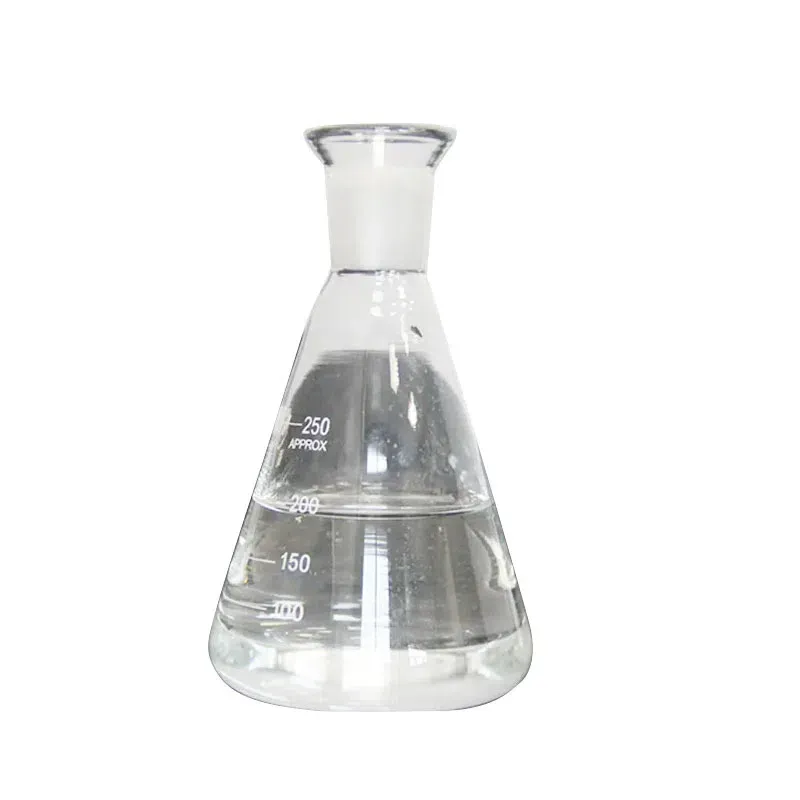
Dioctyl sebacate, also referred to as bis-2-ethylhexyl sebacate (DOS), is produced via the esterification reaction of sebacic acid with 2-ethylhexanol. It works well with polyvinyl chloride, vinyl chloride copolymers, nitrocellulose, ethyl cellulose, and synthetic rubber. It offers high plasticizing efficiency, low volatility, outstanding cold resistance, favorable heat stability, light stability, and electrical insulation. It also provides good lubricity during heating, helping end products achieve appealing appearance and texture. It is particularly ideal for manufacturing cold-resistant wire and cable materials, artificial leather, films, plates, sheets, and similar items.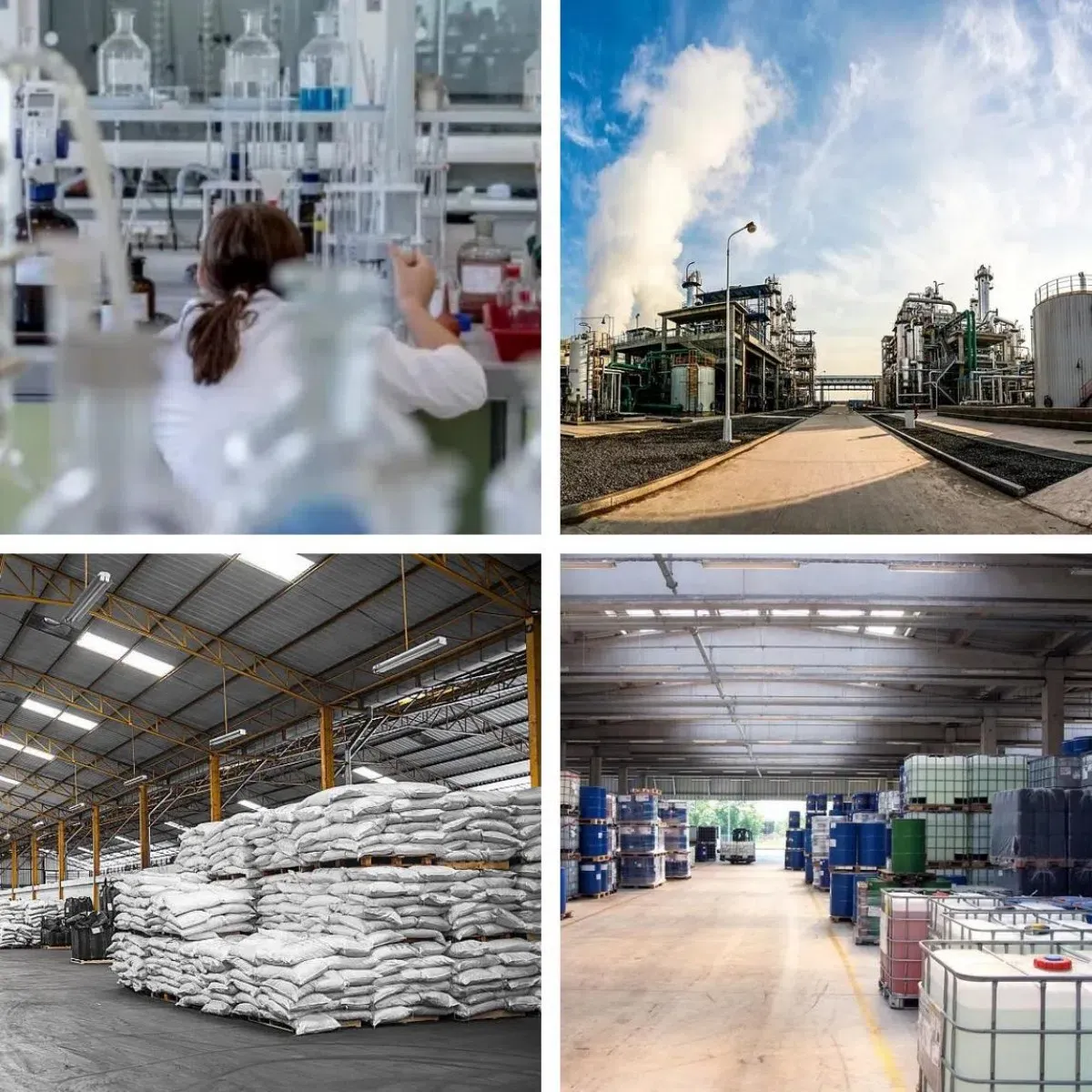
Parameters
| Parameter | Value |
| Melting point | -55 °C |
| Boiling point | 212 °C 1 mm Hg(lit.) |
| density | 0.914 g/mL at 25 °C(lit.) |
| vapor pressure | <0.01 hPa (20 °C) |
| refractive index | n 20/D 1.450(lit.) |
| Fp | >230 °F |
| storage temp. | Store below +30°C. |
| solubility | <1g/l |
| form | Liquid |
| color | Clear slightly yellow |
| Water Solubility | <0.1 g/L (20 ºC) |
| Merck | 14,1251 |
| BRN | 1806504 |
| Stability: | Stable. Combustible. Incompatible with strong oxidizing agents. |
| InChIKey | VJHINFRRDQUWOJ-UHFFFAOYSA-N |
| LogP | 9.722 (est) |
| CAS DataBase Reference | 122-62-3(CAS DataBase Reference) |
| NIST Chemistry Reference | Decanedioic acid, bis(2-ethylhexyl) ester(122-62-3) |
| EPA Substance Registry System | Bis(2-ethylhexyl) sebacate (122-62-3) |
Safety Information
| Item | Details |
| Safety Statements | 24/25 |
| WGK Germany | - |
| RTECS | VS1000000 |
| TSCA | Yes |
| HS Code | 29171390 |
| Hazardous Substances Data | 122-62-3(Hazardous Substances Data) |
| Toxicity | mouse,LD50,oral,9500mg/kg (9500mg/kg),"Toxicometric Parameters of Industrial Toxic Chemicals Under Single Exposure," Izmerov, N.F., et al., Moscow, Centre of International Projects, GKNT, 1982Vol. -, Pg. 62, 1982. |
Product Application of Dioctyl sebacate CAS # 122-62-3
This substance is a top-tier cold-resistant plasticizer with low volatility, allowing it to be used at elevated temperatures. It delivers good weather resistance and electrical performance, making it a preferred plasticizer for cold-resistant cable materials. Its limitations include susceptibility to extraction by hydrocarbon solvents, tendency to migrate, and less-than-ideal resistance to water extraction. Because of its moderate compatibility, it is frequently blended with phthalate plasticizers. Besides PVC cable materials, it is widely used in cold-resistant PVC films, artificial leather, plates, sheets, and other chemical products. It also serves as a plasticizer for many synthetic rubbers and plastics such as nitrocellulose, ethyl cellulose, polymethyl methacrylate, polystyrene, and vinyl chloride-vinyl acetate copolymers. Furthermore, it is used as lubricating oil and grease for jet engines and as a stationary phase in gas chromatography. This product is non-toxic. In long-term feeding studies with rats at 200 mg/kg for 19 months, no toxic effects were found, and it is non-carcinogenic. It can be safely used in food packaging materials.
Factory and Logistics Information
Fast delivery time
Inventory: 2–3 working days
New production: 7–10 working days


