

Product Details
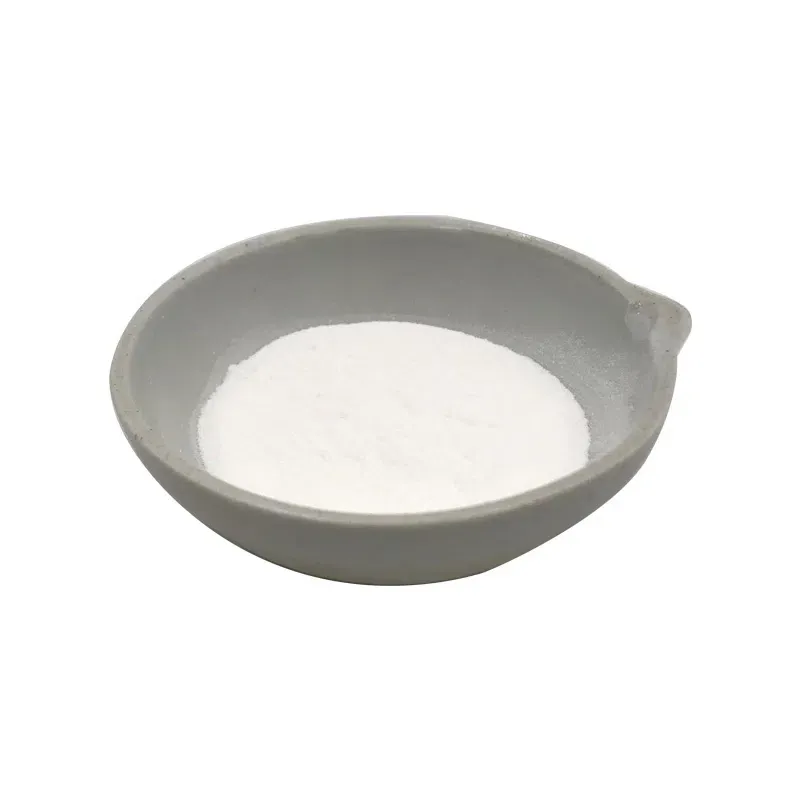
Calcium hypochlorite (molecular formula Ca(ClO)2) is an inorganic compound. It presents as a white granular solid with a characteristic chlorine odor. Although it is relatively stable and non-flammable, it can promote combustion of flammable materials. Solid sodium hypochlorite is rarely commercialized; instead, it dissolves readily in water and can be prepared into solutions of various strengths. Sodium hypochlorite solutions are clear, greenish-yellow liquids. Calcium hypochlorite has two main application areas. One is disinfection and sanitation. In this field, it is widely used as a bleaching agent and disinfectant for public swimming pool treatment and drinking water purification. It is also applied to surface and equipment disinfection in kitchens and bathrooms. In addition, it can serve as an algaecide, herbicide, and ingredient in laundry detergents. The other major application is in organic synthesis. As a common oxidizing agent, it can break down glycols and keto acids to produce aldehydes or carboxylic acids. It is also used in the production of chloroform. Calcium hypochlorite is typically produced by reacting lime (Ca(OH)2) with chlorine gas to yield products with different available chlorine contents. Calcium hypochlorite is toxic. Its aqueous solution may release toxic gases such as chlorine. Inhalation may cause olfactory fatigue and respiratory irritation. Skin and eye contact can lead to irritation. Ingestion may induce vomiting and corrosive damage to the digestive tract.
Parameters
| Property | Value |
| Melting point | 100 °C(lit.) |
| density | 2.35 g/mL at 25 °C(lit.) |
| refractive index | 1.545 |
| storage temp. | Store at +15°C to +25°C. |
| solubility | 200g/l (decomposition) |
| form | Tablets |
| color | White to off-white or faint green |
| Specific Gravity | 2.35 |
| Odor | Chlorine-like odor |
| Water Solubility | 200 g/L (20 ºC) (dec.) |
| Merck | 14,1674 |
| Dielectric constant | 2.3(Ambient) |
| Stability: | Stability Strong oxidizer - contact with flammable material may lead to fire. Incompatible with water, reducing agents, combustible material, phenol. |
| Cosmetics Ingredients Functions | ANTIMICROBIAL |
| InChI | 1S/Ca.2ClO/c;2*1-2/q+2;2*-1 |
| InChIKey | ZKQDCIXGCQPQNV-UHFFFAOYSA-N |
| SMILES | ClO[Ca]OCl |
| CAS DataBase Reference | 7778-54-3(CAS DataBase Reference) |
| EPA Substance Registry System | Calcium hypochlorite (7778-54-3) |
Safety Information
| Item | Details |
| Hazard Codes | O,C,N |
| Risk Statements | 8-22-31-34-50 |
| Safety Statements | 26-36/37/39-45-61 |
| RIDADR | UN 1748 5.1/PG 2 |
| WGK Germany | 2 |
| RTECS | NH3485000 |
| TSCA | TSCA listed |
| HS Code | 2828 10 00 |
| HazardClass | 5.1 |
| PackingGroup | II |
| Storage Class | 5.1A - Strongly oxidizing hazardous materials |
| Hazard Classifications | Acute Tox. 4 Oral Aquatic Acute 1 Eye Dam. 1 Ox. Sol. 2 Skin Corr. 1B |
| Hazardous Substances Data | 7778-54-3(Hazardous Substances Data) |
| Toxicity | LD50 orally in Rabbit: 850 mg/kg LD50 dermal Rabbit > 2000 mg/kg |
Product Application
As a deodorant, oxidizing agent, and bleaching agent, calcium hypochlorite supports swimming pool hygiene and various water treatment processes. It is used to disinfect drinking water, industrial equipment, and kitchen/bathroom surfaces. It is widely used for bleaching textiles and paper products. It appears in bathroom cleaners and laundry detergent formulations. In organic chemistry, it acts as a reliable oxidizing agent. It helps cleave glycols, alpha-hydroxy carboxylic acids, and keto acids into corresponding aldehydes or carboxylic acids. It also plays an important role in the haloform reaction used to manufacture chloroform.
Fast delivery time
Inventory 2-3 working days New production 7-10 working days.


