

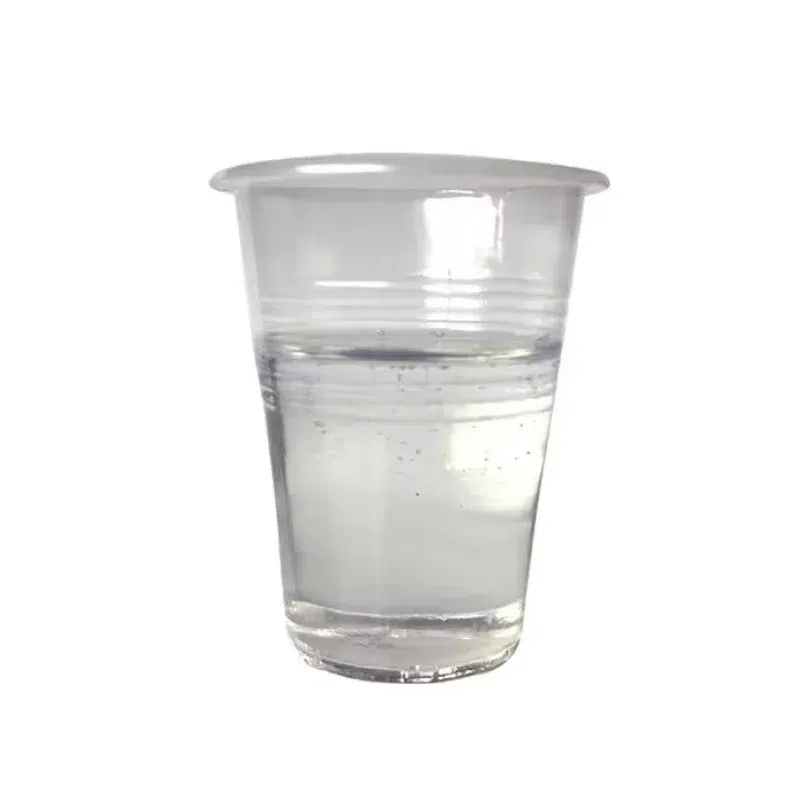
Products Description of 4-Methyl-2-pentanone CAS #108-10-1
4-Methyl-2-pentanone, widely known as MIBK, is a versatile medium-boiling organic solvent and synthetic intermediate widely adopted across fine chemical, pharmaceutical, coating, petroleum and electronic manufacturing industries.
Commercial industrial-grade MIBK delivers a minimum purity of 99%, only containing tiny amounts of alcohol, acid and water impurities. It exhibits powerful dissolving capacity for nitrocellulose, various lacquers, synthetic polymers and resin raw materials, so it serves as a core solvent for automotive paints, wood coatings, printing inks and adhesive formulations.
In nuclear industry and laboratory scientific research, MIBK acts as an extraction agent for separation and recovery of nuclear fission products. It also functions as an indispensable reaction raw material for the synthesis of 2-(1-hydroxy-3-methylbutyne)-1H-indene-1,3(2H)-dione and multiple other fine chemical derivatives.
Extra extended application scenarios:
- Petrochemical Industry: Used as selective dewaxing solvent for lubricant oil refining to remove wax components and produce low-freezing-point base oil
- Rubber Manufacturing: Key intermediate for synthesizing rubber anti-aging agents such as 4020 and 6PPD; solvent for nitrile rubber, neoprene and rubber adhesives
- Electronic Industry: Precision degreasing cleaner for metal components and auxiliary solvent for semiconductor photoresist stripping
- Pharmaceutical Industry: Liquid-liquid extraction medium for separating and purifying antibiotics and medical raw materials
Parameters
| Item | Value |
| Melting point | -80 °C (lit.) |
| Boiling point | 117-118 °C |
| density | 0.801 g/mL at 25 °C (lit.) |
| vapor density | 3.5 (vs air) |
| vapor pressure | 15 mm Hg ( 20 °C) |
| FEMA | 2731 | 4-METHYL-2-PENTANONE |
| refractive index | n 20/D 1.395(lit.) |
| Fp | 56 °F |
| storage temp. | Store at +5°C to +30°C. |
| solubility | water: soluble 20g/L, soluble in alcohol, miscible with oils. Soluble in Propylene glycol and Glycerin. |
| form | Liquid |
| color | APHA: ≤15 |
| Specific Gravity | 0.80 |
| PH | 7 (20°C) |
| Odor | Pleasant; mild, characteristic; sharp; non-residual; ketonic. |
| explosive limit | 1.2-8%, 93°F |
| Odor Threshold | 0.17ppm |
| biological source | synthetic |
| Odor Type | green |
| Water Solubility | 17 g/L (20 ºC) |
| λmax | λ: 335 nm Amax: 1.00; λ: 340 nm Amax: 0.50; λ: 360 nm Amax: 0.15; λ: 380 nm Amax: 0.02; λ: 400 nm Amax: 0.01 |
| JECFA Number | 301 |
| Merck | 14,5207 |
| BRN | 605399 |
| Henry's Law Constant | 2.56 at 25 °C (batch stripping method-GC, Kim et al., 2000) |
| Exposure limits | TLV-TWA 205 mg/m³ (50 ppm); STEL 300 mg/m³ (75 ppm) (ACGIH); IDLH 3000 ppm (NIOSH). |
| Dielectric constant | 13.0(Ambient) |
| Stability: | Volatile |
| LogP | 1.3-1.9 at 20℃ |
| CAS DataBase Reference | 108-10-1(CAS DataBase Reference) |
| IARC | 2B (Vol. 101) 2013 |
| NIST Chemistry Reference | Methyl isobutyl ketone(108-10-1) |
| EPA Substance Registry System | Methyl isobutyl ketone (108-10-1) |
Safety Information
| Item | Value |
| Hazard Codes | F,Xn,T |
| Risk Statements | 11-20-36/37-66-39/23/24/25-23/24/25 |
| Safety Statements | 9-16-29-45-36/37-7 |
| RIDADR | UN 1245 3/PG 2 |
| OEB | A |
| OEL | TWA: 50 ppm (205 mg/m3), STEL: 75 ppm (300 mg/m3) |
| WGK Germany | 1 |
| RTECS | SA9275000 |
| Autoignition Temperature | 840 °F |
| TSCA | Yes |
| HS Code | 2914 13 00 |
| HazardClass | 3 |
| PackingGroup | II |
| Hazardous Substances Data | 108-10-1(Hazardous Substances Data) |
| Toxicity | LD50 orally in rats: 2.08 g/kg (Smyth) |
| IDLA | 500 ppm |
Product Application of 4-Methyl-2-pentanone CAS #108-10-1
4-Methyl-2-pentanone, commonly referred to as methyl isobutyl ketone (MIBK), is a versatile medium-boiling organic solvent and chemical intermediate with extensive applications across multiple industrial sectors. Its core application scenarios are detailed as follows:
Coating, Ink and Adhesive Industry
MIBK acts as a high-efficiency solvent for nitrocellulose, various lacquers, synthetic polymers and natural/synthetic resins. It is widely formulated into automotive coatings, wood finishes, industrial printing inks, stamp pad inks and structural adhesives, where it effectively optimizes the leveling performance, film-forming uniformity and storage stability of finished products.
Fine Chemical Synthesis and Intermediate Production
It serves as a key reactant and reaction medium in the synthesis of 2-(1-hydroxy-3-methylbutyne)-1H-indene-1,3(2H)-dione and other high-value fine chemical derivatives. It is also an essential raw material for manufacturing rubber antioxidants, plastic auxiliaries and a variety of organic synthetic intermediates.
Nuclear Industry and Scientific Research
In the nuclear industry, MIBK functions as a selective extraction agent for the separation and recovery of nuclear fission products. In laboratory and academic research fields, it is commonly used for liquid-liquid extraction experiments, chromatographic analysis and various organic synthesis research projects.
Petroleum Refining and Lubricant Manufacturing
It is applied as a selective dewaxing solvent in the refining process of lubricating base oils. It can efficiently separate waxy components from crude oil feedstocks, to produce high-quality low-freezing-point base oils and improve the low-temperature performance of final lubricant products.
Rubber Processing Industry
MIBK works as a compatible solvent for nitrile rubber, neoprene rubber and rubber-based adhesives. Meanwhile, it is a core intermediate for synthesizing high-performance rubber antioxidants (such as 4020 and 6PPD), which significantly enhance the aging resistance and service life of rubber products.
Electronics and Precision Manufacturing
In the electronic industry, it is used as a precision degreasing cleaner for metal workpieces and electronic components. It also acts as an auxiliary solvent for photoresist stripping in semiconductor fabrication processes.
Pharmaceutical Industry
MIBK is adopted as a liquid-liquid extraction medium in the purification process of antibiotics, active pharmaceutical ingredients (APIs) and other medical raw materials, helping to improve the purity and production yield of target pharmaceutical products.
Other Industrial Uses
It is also utilized for rare earth metal extraction, industrial wastewater treatment, surfactant production and metal surface treatment. Additionally, it can serve as an extracting agent to separate and purify various organic and inorganic compounds in large-scale industrial production.
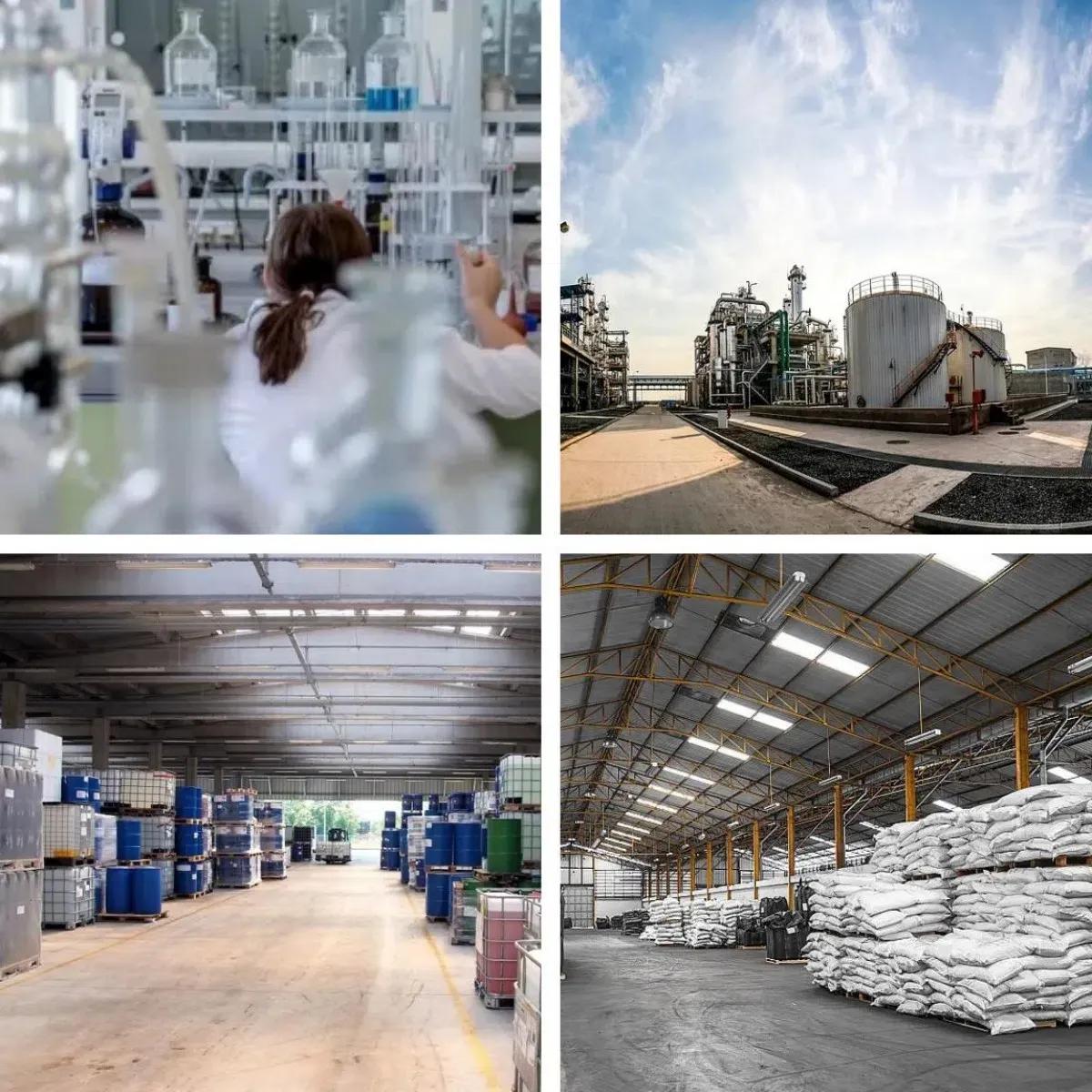
Factory and Equipment Show
Fast delivery time
Inventory 2-3 working days New production 7-10 working days
FAQ
FAQ 1: Can I get free MIBK samples before bulk order? What is the sample delivery time?
Yes, we provide free lab testing samples of MIBK and o-Chlorobenzaldehyde for all potential clients. Customers only need to cover the international courier freight cost. Our warehouse can prepare and dispatch samples within 2 working days after receiving your sample request, and the courier transit time is about 3–7 days depending on your destination country. All samples come with complete COA (Certificate of Analysis) for quality reference.
FAQ 2: What is your MOQ for MIBK and what delivery terms can you support?
Our minimum order quantity for MIBK is 1 full container load (FCL). We can provide flexible international trade terms including FOB, CFR, CIF and DDP as per customers’ demands. As an integrated industry and trade manufacturer, we have stable raw material supply chain to guarantee consistent product quality and on-time shipment for full container bulk orders. We also support customized packaging solutions for special client requirements.


