

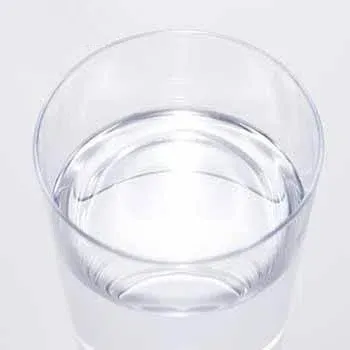
Products Description of Acrylic AcidCAS#79-10-7
Product Grade: Industrial Grade
Minimum Purity: ≥99% (Tested by GC)
Visual Characteristic: Colorless transparent liquid with sharp, strong irritating odor
Melting Point: 13.5°C
Boiling Point: 141°C
Vapor Pressure: 0.4 kPa at 25°C
Relative Density: 1.0511 (20°C)
Refractive Index (20°C): 1.420–1.422
Closed Cup Flash Point: 48.5°C
Viscosity (20°C): 1.22 mPa·s
Solubility: Fully miscible with water in any proportion; soluble in ethanol, diethyl ether, chloroform and most polar organic solvents
Standard Stabilizer: 180–220 ppm MEHQ (Hydroquinone monomethyl ether) added to prevent spontaneous polymerization
Chemical Stability: Highly chemically active; prone to self-polymerization under high temperature, direct sunlight or oxygen-free environment
Incompatible Substances: Strong oxidizing agents, strong alkalis, all types of free-radical polymerization initiators
Storage Suggestion: Store in cool, shaded and ventilated warehouse with controlled temperature between 15–25°C; keep containers fully sealed and avoid long-term exposure to air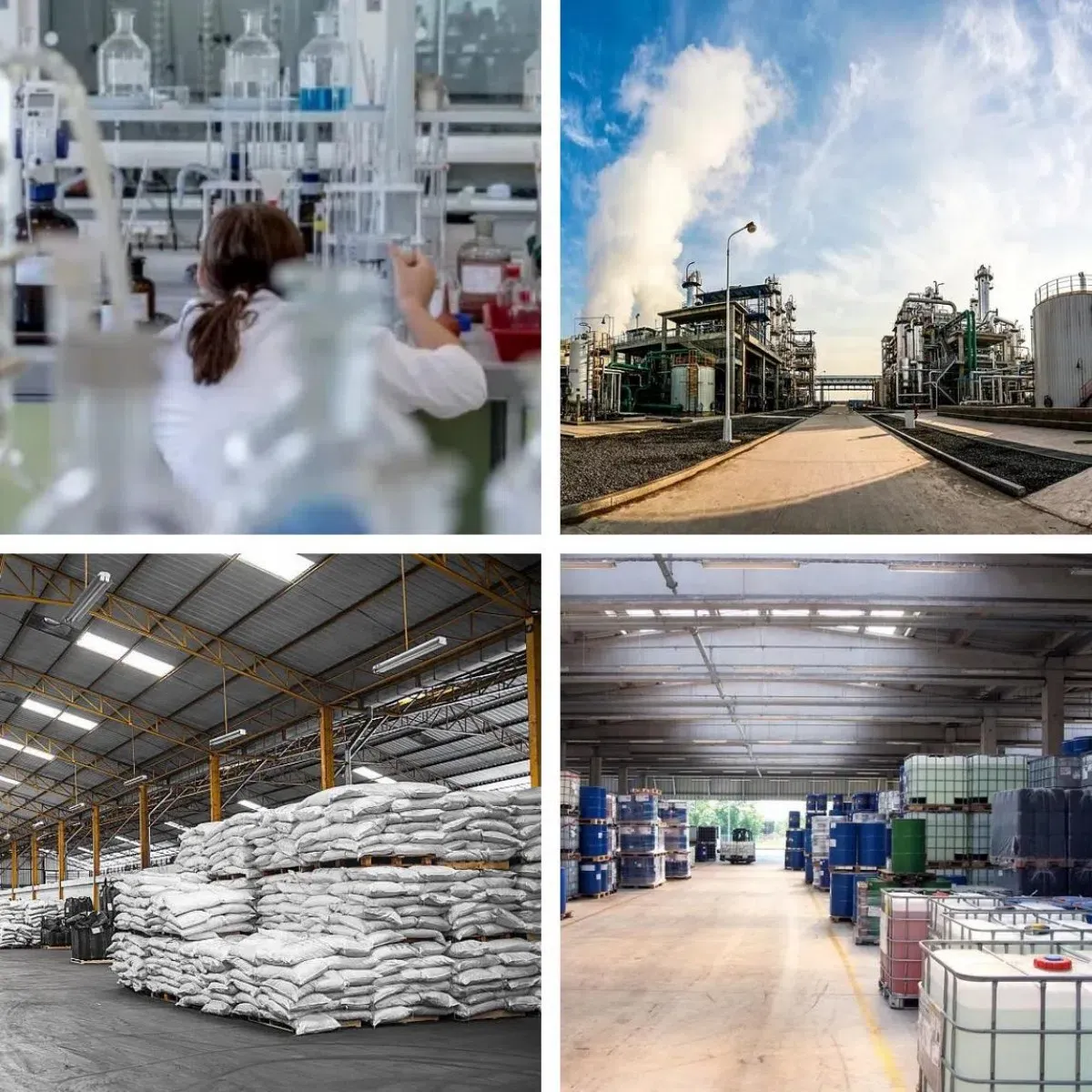
Parameters
| Parameter | Value |
| Melting point | 13 °C (lit.) |
| Boiling point | 139 °C (lit.) |
| density | 1.051 g/mL at 25 °C (lit.) |
| vapor density | 2.5 (vs air) |
| vapor pressure | 4 mm Hg ( 20 °C) |
| refractive index | n20/D 1.421 |
| Fp | 130 °F |
| storage temp. | Store at +15°C to +25°C. |
| solubility | 1000g/l |
| form | Liquid |
| pka | 4.25(at 25℃) |
| color | Clear |
| Odor | Acrid odor |
| PH Range | 1 - 2 |
| PH | 3.68(1 mM solution);3.14(10 mM solution);2.63(100 mM solution); |
| explosive limit | 3.9-19.8%(V) |
| Water Solubility | MISCIBLE |
| Sensitive | Air Sensitive |
| λmax | 231nm(lit.) |
| Merck | 14,130 |
| BRN | 635743 |
| Exposure limits | TLV-TWA 10 ppm (30 mg/m3) (ACGIH). |
| Stability: | Stability Unstable - may contain p-methoxyphenol as an inhibitor. Prone to hazardous polymerization. Combustible. Incompatible with strong oxidizing agents, strong bases, amines. Contact with oxidizers may cause fire. Light and air sensitive. Hygroscopic. |
| Cosmetics Ingredients Functions | NAIL CONDITIONING |
| LogP | 0.46 at 25℃ |
| CAS DataBase Reference | 79-10-7(CAS DataBase Reference) |
| NIST Chemistry Reference | 2-Propenoic acid(79-10-7) |
| IARC | 3 (Vol. 19, Sup 7, 71) 1999 |
| EPA Substance Registry System | Acrylic acid (79-10-7) |
| ECETOC JACC REPORT | Acrylic acid (79-10-7) |
Safety Information
| Item | Details |
| Hazard Codes | C,N |
| Risk Statements | 10-20/21/22-35-50 |
| Safety Statements | 26-36/37/39-45-61 |
| RIDADR | UN 2218 8/PG 2 |
| OEB | B |
| OEL | TWA: 2 ppm (6 mg/m3) [skin] |
| WGK Germany | 1 |
| RTECS | AS4375000 |
| F | 8-13 |
| Autoignition Temperature | 744 °F |
| TSCA | Yes |
| HazardClass | 8 |
| PackingGroup | II |
| HS Code | 29161110 |
| Hazardous Substances Data | 79-10-7(Hazardous Substances Data) |
| Toxicity | LD50 orally in rats: 2.59 g/kg (Smyth) |
Product Application of Acrylic acidCAS#79-10-7
Chemical Reactivity & Derivative Monomer Introduction
Acrylic acid carries typical carboxylic acid functional group and active carbon-carbon double bond, presenting diversified chemical reactivity. It can conduct esterification reactions with various alcohol substances to generate corresponding acrylic ester products.
All acrylic acid esters and their metal salt derivatives are uniformly named acrylates, also known as propenoates under systematic chemical nomenclature.
The mainstream alkyl acrylate monomers synthesized from acrylic acid raw material include methyl acrylate, ethyl acrylate, butyl acrylate and 2-ethylhexyl acrylate. These acrylate monomers are core intermediate raw materials widely used in water-based coatings, industrial adhesives, textile binders, superabsorbent polymers and printing ink manufacturing.
Factory and Equipment Show
Fast delivery time
Inventory 2-3 working days New production 7-10 working days
FAQ
Q: What key risks and storage limits should we notice during acrylic acid storage and transportation?
A: Acrylic acid has two major hazards: strong corrosive irritation and auto-polymerization risk.
- Temperature control: Keep storage and transit temperature within 15–25°C; temperatures above 30°C will accelerate polymerization, while temperature below 13.5°C will cause crystallization and uneven distribution of stabilizer.
- Segregation rule: Strictly separate acrylic acid from strong oxidants and strong alkaline chemicals to avoid violent chemical reactions.
- Container requirement: All sealed packaging must retain proper MEHQ inhibitor content and partial dissolved oxygen to inhibit runaway polymerization during long-term storage.


