

Product Details
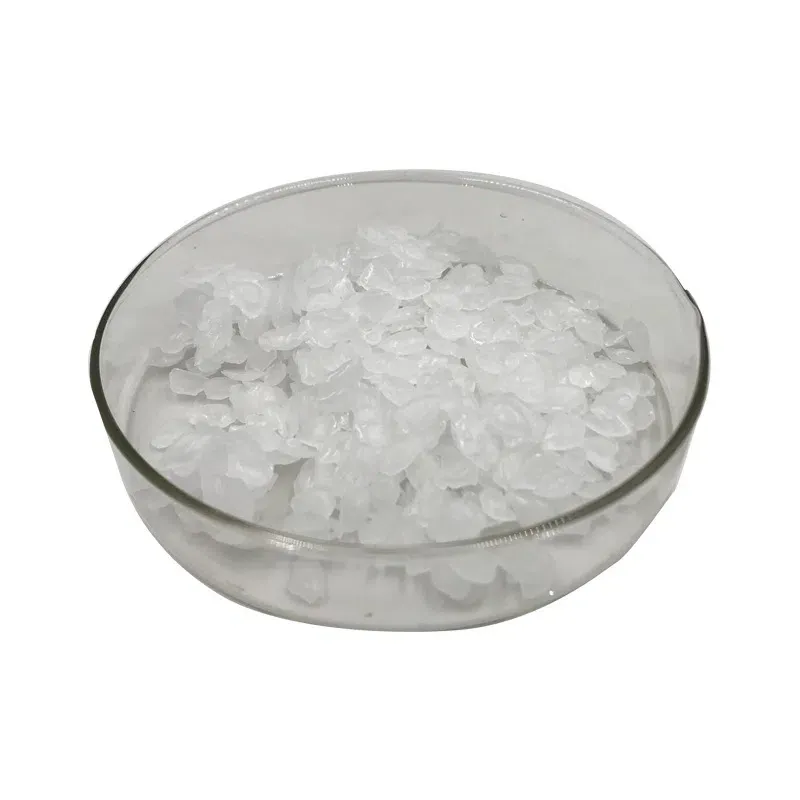
Polypropylene is an isotactic polymer available in both low-molecular-weight and high-molecular-weight grades. The low-molecular-weight form is manufactured by feeding propene under moderate pressure over heated phosphoric acid catalyst supported on an inert carrier at approximately 200°C, yielding trimer and tetramer products. The high-molecular-weight grade is produced by polymerizing propene in an inert heptane solvent containing a trialkylaluminum compound and a titanium-based catalyst. The resulting product consists of a blend of isotactic and atactic polypropylene, with isotactic polypropylene as the primary component. Polypropylene serves widely as a thermoplastic molding material for diverse industrial applications.
Parameters
| Property | Value |
| Melting point | 157 °C |
| Boiling point | 120-132 °C |
| density | 0.9 g/mL at 25 °C (lit.) |
| refractive index | n20/D 1.49(lit.) |
| Fp | >470 |
| storage temp. | -20°C |
| form | particles (Spherical) |
| color | red |
| Odor | odorless |
| biological source | human |
| Merck | 13,7663 |
| Dielectric constant | 1.5(Ambient) |
| IARC | 3 (Vol. 19, Sup 7) 1987 |
| NIST Chemistry Reference | Polypropylene, atactic(9003-07-0) |
| EPA Substance Registry System | Polypropylene (9003-07-0) |
Safety Information
| Item | Value |
| WGK Germany | 3 |
| RTECS | UD1842000 |
| TSCA | Yes |
| HS Code | 39021000 |
| Hazardous Substances Data | 9003-07-0(Hazardous Substances Data) |
| Toxicity | LD50 intraperitoneal in rat: > 110gm/kg |
Product Application of Polypropylene CAS#9003-07-0
Polypropylene (PP) is a versatile thermoplastic utilized across numerous applications including packaging, labeling, textiles, and more. Thanks to its excellent processability and cost efficiency, PP ranks among the most widely produced polymers, particularly for automotive industry applications. Unmodified PP shows good resistance to photo-oxidation and thermal oxidation under moderate temperature conditions. However, it is vulnerable to degradation from external aging factors such as heat, light, and radiation, resulting in a relatively low maximum service temperature. When exposed to high temperatures or irradiation, tertiary hydrogen atoms along PP polymer chains become prone to oxidation. It is well established that the oxidation behavior of PP under outdoor weathering is influenced by both light and temperature. PP can also undergo photodegradation because certain molecular bonds are sensitive to light in the 310–350 nm wavelength range.
Factory and Equipment Show
Fast delivery time
Inventory 2-3 working days New production 7-10 working days


