

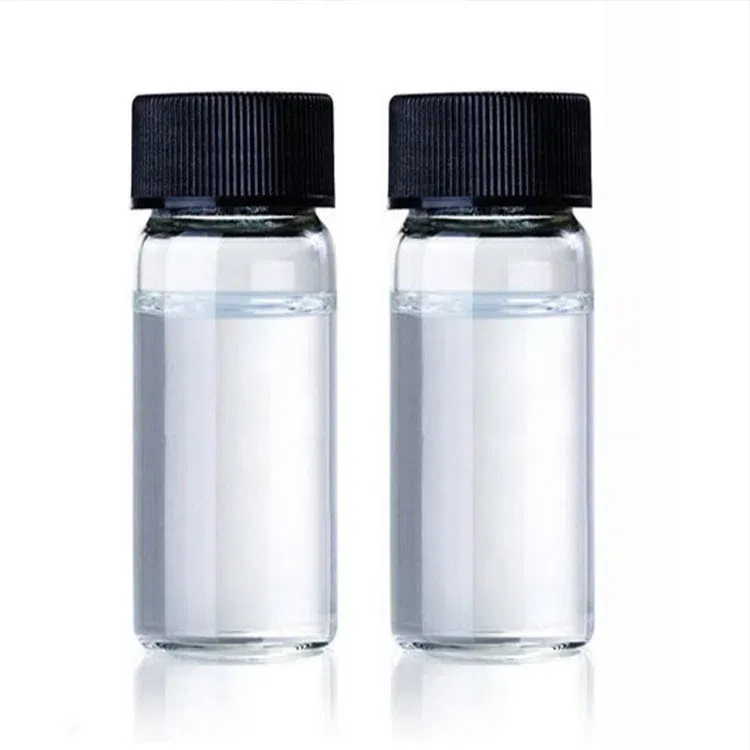
Product Details
Acrylonitrile is a colorless, flammable liquid whose vapors can ignite or explode upon contact with open flames. It is not found in nature and is manufactured on a large industrial scale across chemical facilities in the United States, with growing global demand year by year. As a widely produced unsaturated nitrile, it serves as a key building block for manufacturing plastics, synthetic rubbers, and acrylic fibers. Though it was once employed as a fumigant pesticide, all agricultural pesticide applications have been halted. It remains a critical intermediate for synthesizing pharmaceuticals, antioxidants, dyes, and other fine chemicals. The biggest consumers of acrylonitrile are industries producing acrylic and modacrylic fibers and high‑impact ABS resins. It is also used in business equipment, luggage, construction materials, and SAN (styrene‑acrylonitrile) plastics for automotive parts, household goods, and packaging. Adiponitrile, derived from acrylonitrile, is used in nylon, dyes, medicines, and pesticides.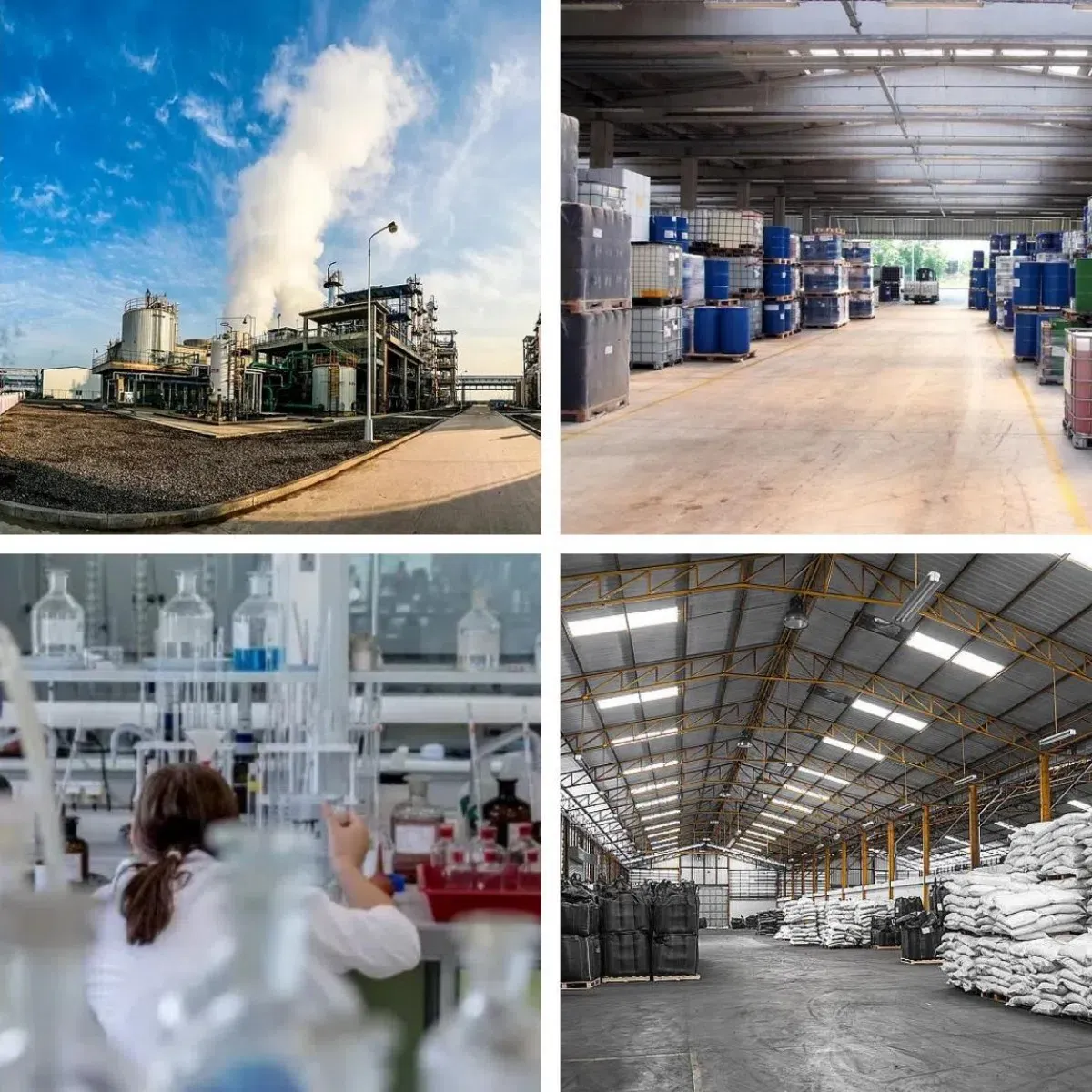
Acrylonitrile Chemical Properties
| Property | Value |
| Melting point | -83 °C (lit.) |
| Boiling point | 77 °C (lit.) |
| density | 0.806 g/mL at 20 °C |
| vapor density | 1.83 (vs air) |
| vapor pressure | 86 mm Hg (20 °C) |
| refractive index | n20/D 1.391(lit.) |
| Fp | 32 °F |
| storage temp. | 2-8°C |
| solubility | 73g/l |
| form | Liquid |
| color | Clear |
| Odor | Mild pyridine-like odor at 2 to 22 ppm |
| PH | 6.0-7.5 (50g/l, H2O, 20℃) |
| Odor Threshold | 8.8ppm |
| explosive limit | 2.8-28%(V) |
| Water Solubility | Soluble. 7.45 g/100 mL |
| Sensitive | Light Sensitive |
| Merck | 14,131 |
| BRN | 605310 |
| Henry's Law Constant | 1.30 at 30.00 °C (headspace-GC, Hovorka et al., 2002) |
| Dielectric constant | 33.01 |
| Exposure limits | NIOSH REL: TWA 1 ppm, 15-min C 1 ppm, IDLH 85 ppm; OSHA PEL: TWA 2 ppm, 15-min C 10 ppm; ACGIH TLV: TWA 2 ppm. |
| Major Application | agriculture, environmental |
| InChI | 1S/C3H3N/c1-2-3-4/h2H,1H2 |
| InChIKey | NLHHRLWOUZZQLW-UHFFFAOYSA-N |
| SMILES | C=CC#N |
| LogP | 0.017 at 21℃ |
| CAS DataBase Reference | 107-13-1(CAS DataBase Reference) |
| IARC | 2B (Vol. 71) 1999 |
| NIST Chemistry Reference | 2-Propenenitrile(107-13-1) |
| EPA Substance Registry System | Acrylonitrile (107-13-1) |
Safety Information
| Item | Value |
| Hazard Codes | F,T,N,Xn |
| Risk Statements | 45-11-23/24/25-37/38-41-43-51/53-39/23/24/25-62-63 |
| Safety Statements | 53-9-16-45-61-36/37 |
| RIDADR | UN 1093 3/PG 1 |
| OEB | D |
| OEL | TWA: 1 ppm, Ceiling: 10 ppm [15-minute] [skin] |
| WGK Germany | 3 |
| RTECS | AT5250000 |
| F | 8 |
| Autoignition Temperature | 481 °C |
| TSCA | TSCA listed |
| HazardClass | 3 |
| PackingGroup | I |
| HS Code | 29261000 |
| Hazardous Substances Data | 107-13-1(Hazardous Substances Data) |
| Toxicity | LD50 orally in rats: 0.093 g/kg (Smyth, Carpenter) |
| IDLA | 60 ppm |
Product Application Of Acrylonitrile CAS#107-13-1
Acrylonitrile is widely used in manufacturing acrylic fibers, resins, and surface coatings. It acts as an intermediate for pharmaceuticals and dyes, a polymer modifier, and a former fumigant. It can be present in fire emissions from the pyrolysis of polyacrylonitrile materials. Studies have detected acrylonitrile release from AS and ABS copolymer containers when filled with food‑simulating solvents including water, 4% acetic acid, 20% ethanol, and heptane, with storage periods ranging from 10 days to 5 months. Release levels rise with higher temperatures and stem from unreacted residual monomer in the polymer matrix.


