

Product Details
L-carnitine CAS#541-15-1
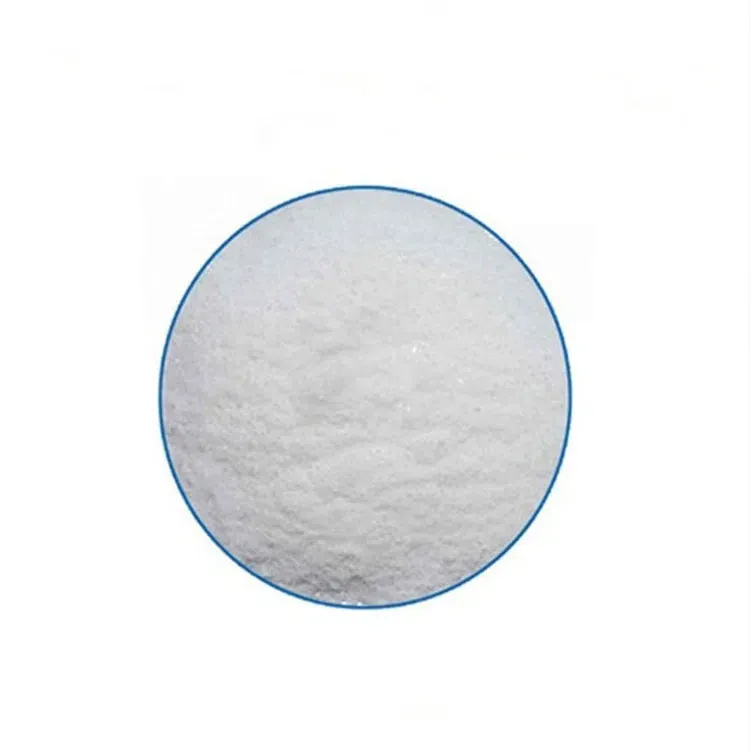
L-carnitine, also referred to as Vitamin BT, has a molecular formula of C7H15NO3, with the chemical designation (R)-3-carboxy-2-hydroxy-N,N,N-trimethylpropanaminium hydroxide inner salt. It is an amino acid derivative that supports the conversion of fat into usable energy. The pure material appears as white crystals or a white crystalline powder. It dissolves readily in water, ethanol, and methanol, is slightly soluble in acetone, and does not dissolve in diethyl ether, benzene, chloroform, or ethyl acetate. L-carnitine is hygroscopic, highly water‑soluble, and thermally stable above 200 °C. It is safe for human consumption. The primary dietary source is red meat; the human body can also synthesize it endogenously to meet physiological needs. It is not a true vitamin but a vitamin‑like compound. Key physiological roles include supporting fatty acid oxidation, weight management, and reducing fatigue. As a food additive, it is widely used in infant formulas, weight‑management products, sports nutrition, elderly supplements, vegetarian fortifiers, and animal feed.
Parameters
| Property | Value |
| Melting point | 197-212 °C(lit.) |
| alpha | -31 º (c=10, H2O) |
| Boiling point | 287.5°C (rough estimate) |
| bulk density | 636kg/m3 |
| density | 0.64 g/cm3 |
| refractive index | -32 ° (C=1, H2O) |
| storage temp. | Store below +30°C. |
| solubility | H2O: 0.1 g/mL at 20 °C, clear, colorless |
| pka | 3.80(at 25℃) |
| form | Crystals or Crystalline Powder |
| color | White |
| Appearance | white powder |
| PH | 6.5-8.5 (50g/l, H2O) |
| Optical Rotation | L -23.930 (c 0.86, H2O)D +30.9 |
| biological source | synthetic |
| Water Solubility | 2500 g/L (20 ºC) |
| Merck | 14,1849 |
| BRN | 4292315 |
| Stability: | Hygroscopic |
| Major Application | cell analysis detection |
| Cosmetics Ingredients Functions | CLEANSING SURFACTANT - CLEANSING HAIR CONDITIONING ANTISTATIC SURFACTANT - FOAM BOOSTING SKIN CONDITIONING VISCOSITY CONTROLLING |
| Cosmetic Ingredient Review (CIR) | L-carnitine (541-15-1) |
| InChI | 1S/C7H15NO3/c1-8(2,3)5-6(9)4-7(10)11/h6,9H,4-5H2,1-3H3/t6-/m1/s1 |
| InChIKey | PHIQHXFUZVPYII-ZCFIWIBFSA-N |
| SMILES | C[N+](C)(C)C[C@H](O)CC([O-])=O |
| LogP | -5.48 at 20℃ |
| CAS DataBase Reference | 541-15-1(CAS DataBase Reference) |
Safety Information
| Item | Value |
| Hazard Codes | Xi |
| Risk Statements | 36/37/38 |
| Safety Statements | 26-36-37/39 |
| WGK Germany | 3 |
| RTECS | BP2980000 |
| F | 3-10 |
| Autoignition Temperature | >365 °C |
| Hazard Note | Irritant |
| HS Code | 29239000 |
| Storage Class | 11 - Combustible Solids |
| Hazardous Substances Data | 541-15-1(Hazardous Substances Data) |
| Toxicity | LD50 orally in Rabbit: > 5000 mg/kg |
Product Application
L-carnitine serves as an essential cofactor in fatty acid metabolism. It is required for transporting fatty acids across the inner mitochondrial membrane. It is mainly synthesized in the liver and kidneys, with the highest levels found in cardiac and skeletal muscle. Common dietary sources include red meat, dairy, legumes, and avocado.
Fast delivery time
Inventory 2-3 working days New production 7-10 working days.


