

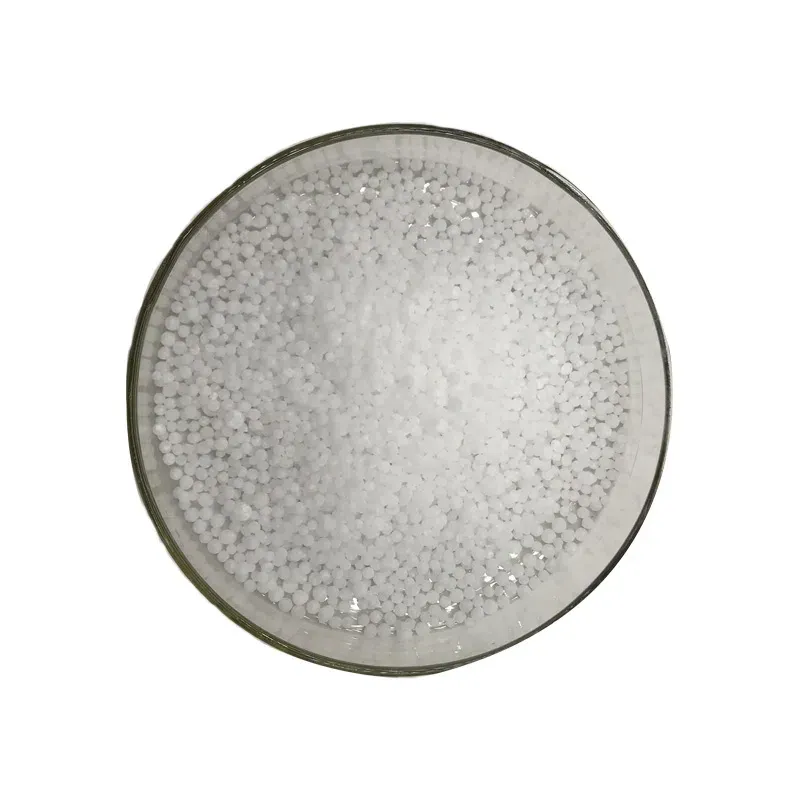
Products Description of Citric acid monohydrate CAS#5949-29-1
Melting Point: 135–152℃
Boiling Point: 309.6℃ (decomposes at high temperature)
Vapor Pressure: Less than 1 Pa at 25℃
Relative Density (20℃, water=1): 1.54
Water Solubility: 1630g per liter at 20℃, dissolves rapidly in cold and hot water
Organic Solvent Solubility: Freely soluble in ethanol, slightly soluble in diethyl ether
Flash Point: 173.9℃
Chemical Stability: Stable under normal ambient storage conditions; the crystal will effloresce gradually in dry air.
Chemical Incompatibility: Must be isolated and kept far away from strong oxidizing agents to prevent unwanted chemical reactions.
Extra Quality Control Index: Heavy metal content (Lead, Arsenic, Mercury) complies with international industrial raw material standards, with low impurity residue.

Parameters
| Property | Value |
| Melting point | 135 °C |
| Boiling point | 56 °C760 mm Hg(lit.) |
| bulk density | 800-1000kg/m3 |
| density | 0.791 g/mL at 25 °C(lit.) |
| vapor density | 2 (vs air) |
| vapor pressure | 184 mm Hg ( 20 °C) |
| refractive index | n20/D 1.359(lit.) |
| Fp | 1 °F |
| storage temp. | no restrictions. |
| solubility | Citric Acid Monohydrate is very soluble in water, freely soluble in ethanol and sparingly soluble in ether. |
| pka | 3.138, 4.76, 6.401 |
| form | Solid |
| color | White |
| Specific Gravity | 0.810 (20/4℃) |
| Odor | Typical, practically odorless |
| PH | 1.85 (50g/l, H2O, 25℃) |
| Water Solubility | 1630 g/L (20 oC) ;H2O: soluble 54% (w/w) at 10°C (Citric acid in water) |
| Sensitive | Hygroscopic |
| Merck | 14,2326 |
| BRN | 4018641 |
| Stability: | Stable. Incompatible with oxidizing agents, bases, reducing agents, nitrates. |
| InChIKey | YASYEJJMZJALEJ-UHFFFAOYSA-N |
| CAS DataBase Reference | 5949-29-1(CAS DataBase Reference) |
| NIST Chemistry Reference | Citric acid monohydrate(5949-29-1) |
| EPA Substance Registry System | 1,2,3-Propanetricarboxylic acid, 2-hydroxy-, hydrate (1:1) (5949-29-1) |
Safety Information
| Item | Value |
| Hazard Codes | F,Xi |
| Risk Statements | 11-36-66-67-41-36/37/38-37/38 |
| Safety Statements | 9-16-26-37/39-36/37/39-36 |
| RIDADR | UN 1090 3/PG 2 |
| WGK Germany | 1 |
| RTECS | AL3150000 |
| TSCA | Yes |
| HS Code | 29181400 |
| Toxicity | LD50 orally in Rabbit: 3000 mg/kg |
Product Application of Citric acid monohydrate CAS#5949-29-1
Multi-Scenario Industrial Application Introduction
Citric acid monohydrate is a natural tricarboxylic acid originally extracted from citrus fruits, with versatile functional properties including antioxidation, pH adjustment, chelation and antisepsis, widely applied in pharmaceutical and food processing industries:
Pharmaceutical Industry Usage
It acts as a core pharmaceutical excipient with prominent antioxidant activity. It can effectively stabilize and protect active pharmaceutical ingredients, and serves as a mild preservative to extend the shelf life of medicinal preparations. As a professional pH adjuster, it regulates the acid-base balance of oral syrups, effervescent tablets and ointment formulations. Besides, it can chelate calcium ions in blood samples, functioning as an anticoagulant reagent for clinical blood testing.
Food & Beverage Industry Usage
It is a mainstream food additive and food-grade acidulant for drinks, candies, canned food and dairy products. It can enhance sour flavor, inhibit microbial reproduction and preserve food freshness. Meanwhile, it works as an efficient synergist when mixed with composite antioxidants, greatly improving the anti-oxidation effect of food formulas.
Supplementary Minor Application
It can also be used as chelating agent and pH regulator in daily chemical cleaning products and cosmetic raw material formulations.
Factory and Equipment Show
Fast delivery time
Inventory orders: 2-3 working days
New production: 7-10 working days


