

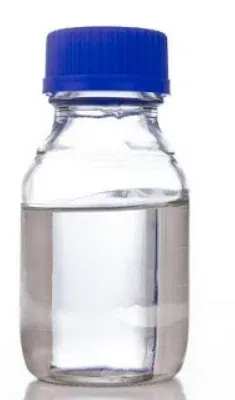
Products Description of EpichlorohydrinCAS#106-89-8
Epichlorohydrin is an important fine chemical intermediate and industrial raw material with a wide range of downstream applications across multiple industries. It acts as a core intermediate for glycerol synthesis, and serves as a major raw material for producing epoxy resins, nitroglycerin explosives, glass fiber products and electrical insulation materials.
It can be blended with cellulose esters, various resins and cellulose ethers to prepare compound formulations. Additionally, it is widely adopted for the production of surfactants, pharmaceutical products, pesticides, industrial coatings, adhesives, ion exchange resins, plasticizers, glycerol derivatives, glycidyl derivatives and chlorohydrin rubber.
Epoxy resins synthesized from epichlorohydrin and bisphenol A deliver outstanding comprehensive properties including strong adhesive force, low shrinkage rate, excellent chemical resistance and high structural stability. Such epoxy resins are extensively applied in coatings, adhesives, reinforcing materials and casting materials.
Chlorohydrin rubber derived from epichlorohydrin is a high-performance elastomer. It features excellent resistance to swelling when exposed to common oils and organic solvents. It maintains good flexibility at low temperatures without the addition of plasticizers, and presents remarkable performance advantages compared with nitrile rubber, neoprene rubber and butyl rubber.
Key Physical & Chemical Parameters:
- Melting Point: -25.6 °C
- Boiling Point: 117.9 °C
- Relative Density (20 °C): 1.180 ~ 1.183
- Refractive Index (20 °C): 1.438 ~ 1.442
- Closed Cup Flash Point: 28 °C
- Solubility: Slightly soluble in water; fully miscible with ethanol, ether, acetone, benzene and other conventional organic solvents
- Chemical Stability: Relatively stable under normal storage and operating conditions. It may undergo chemical reactions when exposed to strong acids, strong bases, oxidants and active metals, and is likely to polymerize under specific conditions.

Parameters
| Item | Value |
| Melting point | -57 °C |
| Boiling point | 115-117 °C(lit.) |
| alpha | -1~+1°(D/20℃)(c=1,CH3OH) |
| density | 1.183 g/mL at 25 °C(lit.) |
| vapor density | 3.2 (vs air) |
| vapor pressure | 13.8 mm Hg ( 21.1 °C) |
| refractive index | n20/D 1.438(lit.) |
| Fp | 93 °F |
| storage temp. | Store below +30°C. |
| solubility | 65.9g/l |
| form | Liquid |
| color | APHA: ≤20 |
| Specific Gravity | 1.183 (20/4℃) |
| Odor | Pungent, garlic; sweet, pungent; like chloroform. |
| explosive limit | 3.8-21%(V) |
| Water Solubility | 6 g/100 mL (10 ºC) |
| FreezingPoint | -57.2℃ |
| Merck | 14,3611 |
| BRN | 79785 |
| Henry's Law Constant | 3.42(x 10^-5 atm·m^3 /mol) at 25 °C |
| Exposure limits | TLV-TWA(skin) 8 mg/m^3 (2 ppm) (ACGIH); STEL 19 mg/m^3 (5 ppm) (NIOSH) |
| Dielectric constant | 22.9(20℃) |
| Stability: | Unstable. Flammable - note wide explosion limits and low flash point. |
| LogP | 0.45 at 20℃ |
| CAS DataBase Reference | 106-89-8(CAS DataBase Reference) |
| NIST Chemistry Reference | Oxirane, (chloromethyl)-(106-89-8) |
| IARC | 2A (Vol. 11, Sup 7, 71) 1999 |
| EPA Substance Registry System | Epichlorohydrin (106-89-8) |
Safety Information
| Item | Value |
| Hazard Codes | T |
| Risk Statements | 45-10-23/24/25-34-43 |
| Safety Statements | 53-45 |
| RIDADR | UN 2023 6.1/PG 2 |
| WGK Germany | 3 |
| RTECS | TX4900000 |
| Autoignition Temperature | 779 °F |
| TSCA | Yes |
| HS Code | 2910 30 00 |
| HazardClass | 6.1 |
| PackingGroup | II |
| Hazardous Substances Data | 106-89-8(Hazardous Substances Data) |
| Toxicity | LD50 orally in rats: 0.09 g/kg (Smyth, Carpenter) |
| IDLA | 75 ppm |
Product Application of EpichlorohydrinCAS#106-89-8
This substance is classified into the following chemical categories:
Ternary heterocyclic compounds, Epoxides, Organic intermediates, Pesticide intermediates, Rodenticide intermediates, Organic raw materials, Organic solvents, Analytical reference standards, Alkanes
Fast delivery time
Inventory: 2–3 working days; New production: 7–10 working days


